Come and learn about Blockchain technology and Cryptocurrency with David. Learn how to start on the right foot with these new technologies.
We will cover: • How Bitcoin and Blockchain works. • How to buy and sell safely. • How to securely store cryptocurrencies. • Privacy, rip-offs and other risks. • Trading on Exchanges, TA essentials. • Hands-on -> Setup a wallet, send & receive coins, backup your wallet.
TOG Friday 24-05-2019 from 6 to 9pm
-This event may be streamed live on internet and/or recorded if three is enough demand. Touch base if you are interested to join remotely: DublinCryptoTalks@gmail.com re: online Blockchain course
Wave Hackers experimental music group. Seb’s amazing experimental audio research and performance group, a place for artists, dreamers, geeks, hackers, nerds, outcasts, weirdos, rebels and scientists to experiment and create. Circuit bending, instrument design and creation. Everyone welcome, no experience necessary – learn and share but most importantly enjoy yourself. Hosted by Seb every first and third Friday of the month, 3rd and 17th May, from 7 to 10 pm. Let us know you’re coming on meetup.
Electronics and Micro Controller Night: If you hanker to harness the awesome power of electricity and light up a few LEDs or crank a dynamo, Electronics and Micro Controller night is for you. Every second Monday, Gary will guide you into the electronics room where there is a dizzying variety of electronic components to help out beginners and the more experienced alike. You can buy basic kits and we’ll show you what to do with them. Runs Monday 6th and 20th May, starting at 7 pm and finishing at 9 pm. Vital that you bring your own laptop, we don’t have a supply.
CAD Night: Krzysztof and Louise are your guides for 3D printing and laser cutting night, every second Wednesday, in May the 1st, 15th and 29th, from 7 pm to 9 pm. We have a working Prusa Mk 3 3D printer, and a Lasersaur for laser cutting. Please bring your own laptop.
Ray got a little carried away last Open Social night…
Open Social: If you want to see where all these mind-bogglingly fascinating projects take place, come along to our Open Social night on Saturday 18th May from 7 pm until late or later. No need to be a member, just turn up. Food and drink contributions welcome. We will probably roll out the near-legendary pizza oven, weather permitting.
Craft Night: Lots of tools and materials here for dedicated and beginner crafters: this includes, but is not limited to, embroidery, sewing, knitting, screen printing, crochet, drawing, painting, woodwork. Bring your own project along or start one from scratch, there is a wealth of talent and experience on hand to help you get started or navigate the tricky bits. Every other Wednesday, the 1st, 15th and 29th May, starting at 7 pm.
Lock Picking: Ever-popular lock-picking night happens on Mondays, in May on the 13th and 27th, from 7 pm until 9 pm. We have a large selection of padlocks, practice locks, handcuffs and other parts, tools are supplied (and can be bought). Conor hosts and oozes enthusiasm and expertise.
Coding: Same night as Lock Picking, bring your laptop and work on your side project or ask for help with a programming problem. Alternate Mondays, the 1st, 15th and 29th May. Please bring your own laptop, we don’t provide the hardware.
The Science Fiction Book Club: This month we’re reading Fifth Head of Cerberus, by Gene Wolfe. It’s a book club, you know how they work; come along, argue, eat cake. Highly recommended that you read the book first, though. Wednesday 29th May, from 7 pm onwards.
Wikipedia Editing: Want to be part of the world’s biggest collaborative venture? Bring along a laptop, and Rebecca will show you how to become a Wikipedia editor. This all happens on the last Wednesdayof the month, May 29th starting at 7 pm.
Team BodgeWednesday afternoons you will find Team Bodge in the space, taking broken stuff apart, shaking heads sadly and making those noises you hear from emergency plumbers before expertly restoring everything to a better-than-new working state. That’s the advertising blurb anyway. From 3.30 pm onwards, bring along your non-working components and faulty parts, and James and Brendan will be happy to help and offer advice, tools, expertise and the occasional spare part. Members only, check the mailing list for time and date confirmation.
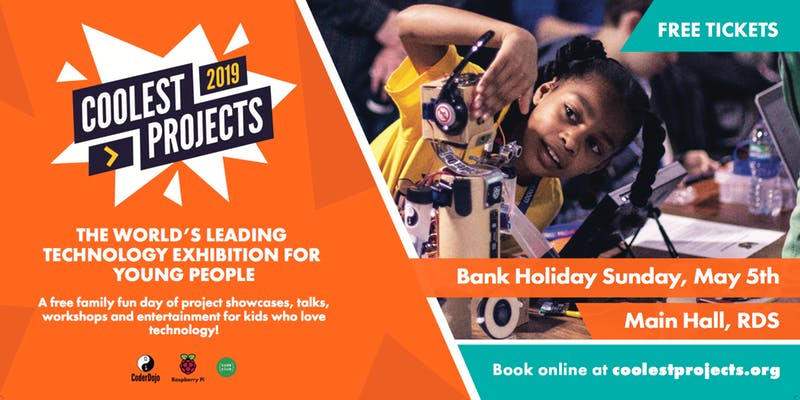
Coolest Projects International is a world-leading showcase for young innovators who make stuff with technology. If you’re up to 18 and you’re making something with technology for fun, to solve a problem, or as a creative outlet, then we want you to come out and share your project with us! This free event will take place in the RDS Main Hall, Dublin, Ireland on 5 May 2019.
We are delighted to be back at Coolest Projects this year. We will have two stands at the event. Lock sports area, showcasing the recreational side of defeating locking systems. A fun problem-solving puzzle activity that must be experienced. We will also have a learn to solder area, an essential skill to start anyone’s maker journey.
The event runs from 10am till 6pm and is free to come along too. Click below for more information and tickets.
Our regular monthly Open Social will take place on Saturday, 20th April
from 7PM. If you’ve never been to our Socials, you’ll find them a great
alternative Saturday evening in town, and a great informal hangout to
chat and relax. Our Socials are always free to attend for both members
and visitors alike. No need to book…. just turn up. You can drop in for
10 minutes, or stay the whole night.
We have off-street parking available. Bring beer, food, gadgets! Our doors will be open from 19:00. Hope to see you there.
Come in and look around. If
you’ve never been in before, we’ll give you the grand tour of the space.
Talk to members and visitors about projects or things you’d like to do.
If you like what you see, ask about joining as a full member. Weather
and volunteer permitting, we might have our wood fired pizza oven going
outside. Expect caint, ceol agus craic as usual. The space stays open
until the last member is left……usually the small hours of Sunday
morning.
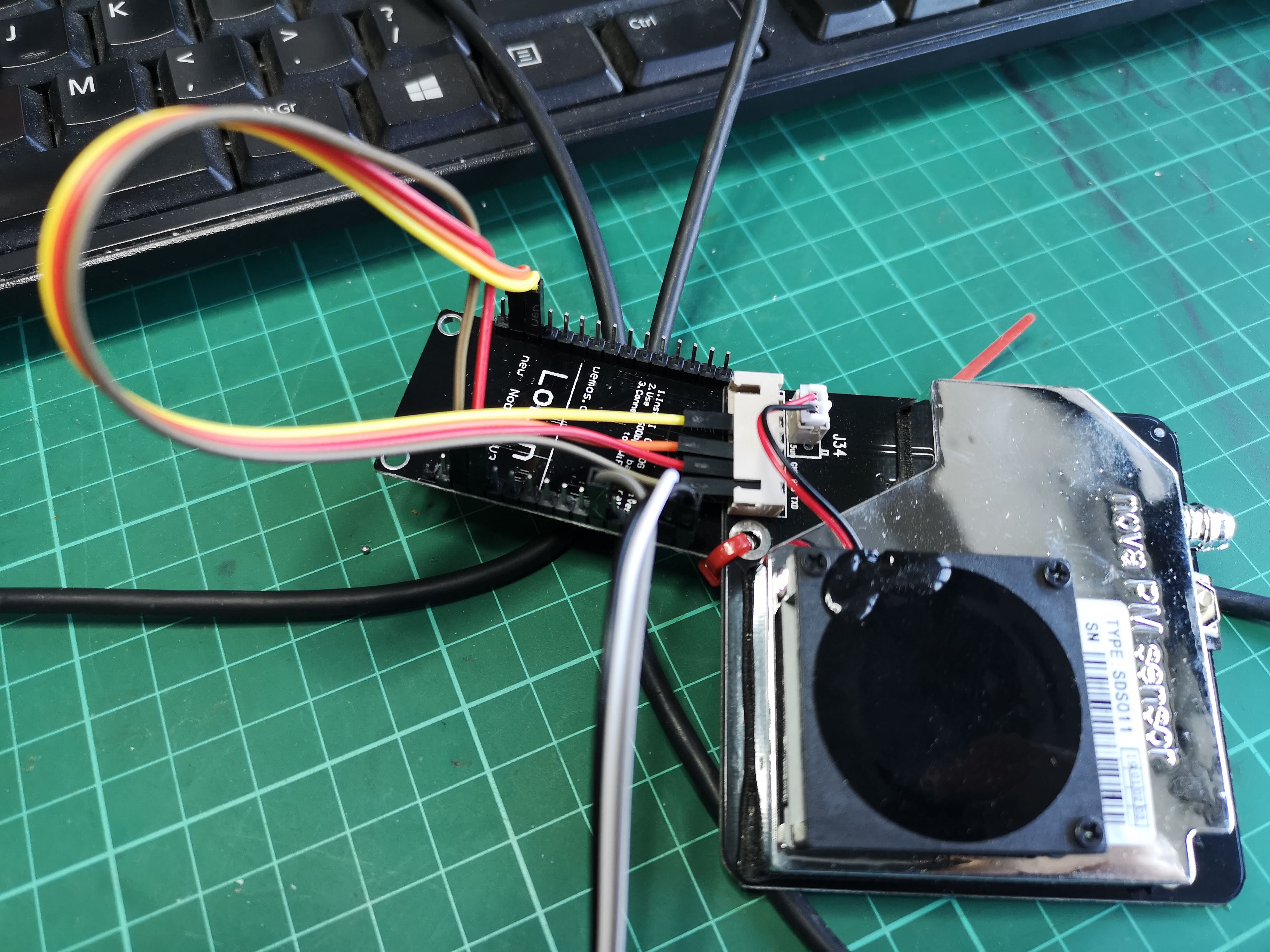
A few weeks ago on twitter, our friends from 57North Hacklab put is touch with people who were interested in buidling a DIY air quality monitoring system. We were pointed to the great work being done by luftdaten project.
Luftdaten is a citizen science project to collect data of particular matter from homemade monitoring units. All the data is open and available to all to use and used to gain insights into the effect our on environment. They provide a parts list, step by step guide and all the code needed to build your very own sensor to contribute to environmental monitoring in your locality.