Join us at TOG Hackerspace for a weekend of amateur radio, hands-on workshops, old technology and a bit of messing.
On Saturday, we’ll be building satellite ground stations, trying packet radio, making callsign patches and putting soldering skills to the test. There will be live demonstrations and afternoon talks, followed by our October Open Social and pizza night.
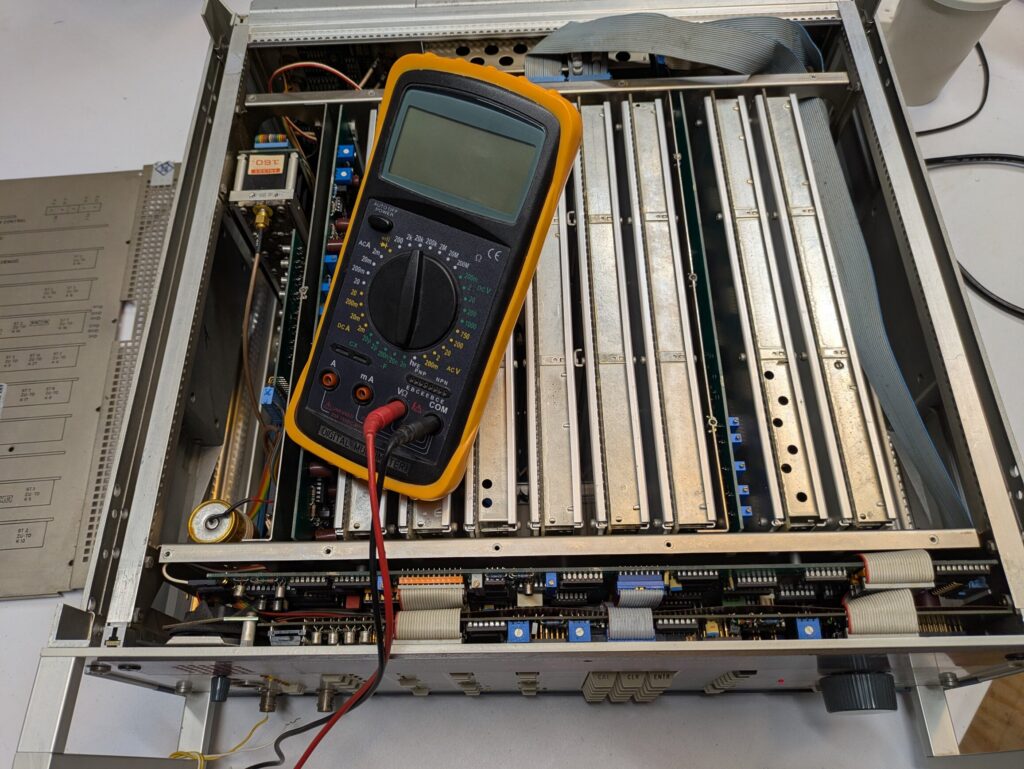
Sunday starts with radio in the park, before we return to TOG for an afternoon of vintage radios, retro computers, consoles and restoration projects.
Radio amateurs, shortwave listeners, makers and curious newcomers are all welcome. You don’t need a radio licence to attend.
Book your place
There are three separate Eventbrite listings, so you can book the parts of the weekend you’d like to attend:
- Build Your Own Satellite Ground Station — Saturday 24 October, 10:00–11:30.
- Radio Day at TOG: Demos, Talks & Social — Saturday 24 October, from 12:00 until late.
- Retro Radio & Computing Day — Sunday 25 October, 14:00–18:00.
The Sunday morning Parks on the Air session is an open outdoor meetup and does not need an Eventbrite ticket.
Saturday 24 October: Radio Day
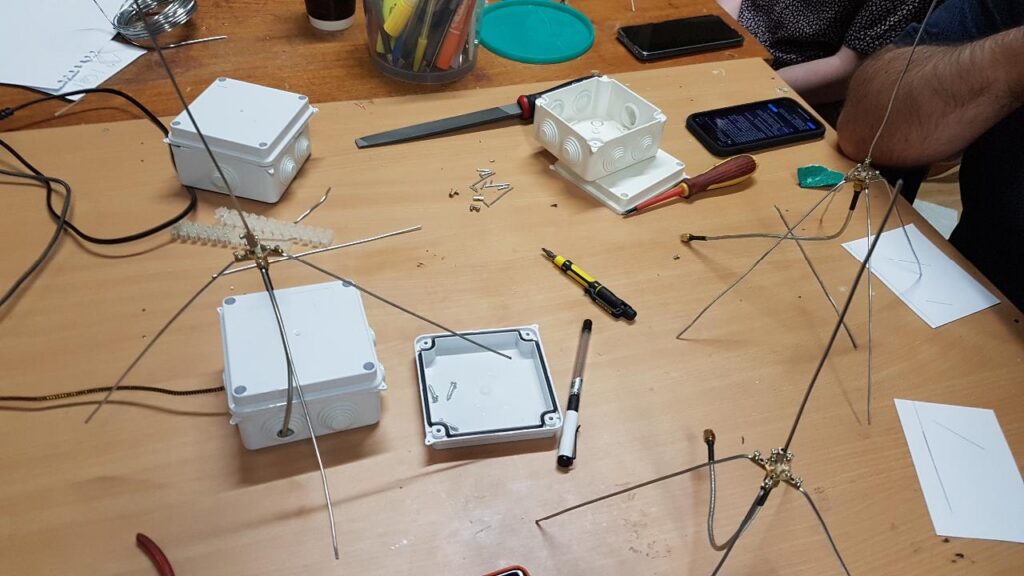
10:00–11:30 | Build Your Own Satellite Ground Station
Start the weekend with a hands-on introduction to TinyGS, a network of small ground stations receiving satellite signals using LoRa hardware.
Learn how these stations work and get started with building your own. This workshop has separate booking from the afternoon Radio Day.
Book the satellite ground station workshop
From 12:00 | Live radio demos and callsign patches
Drop in from noon to explore the equipment, meet the operators and try some making.
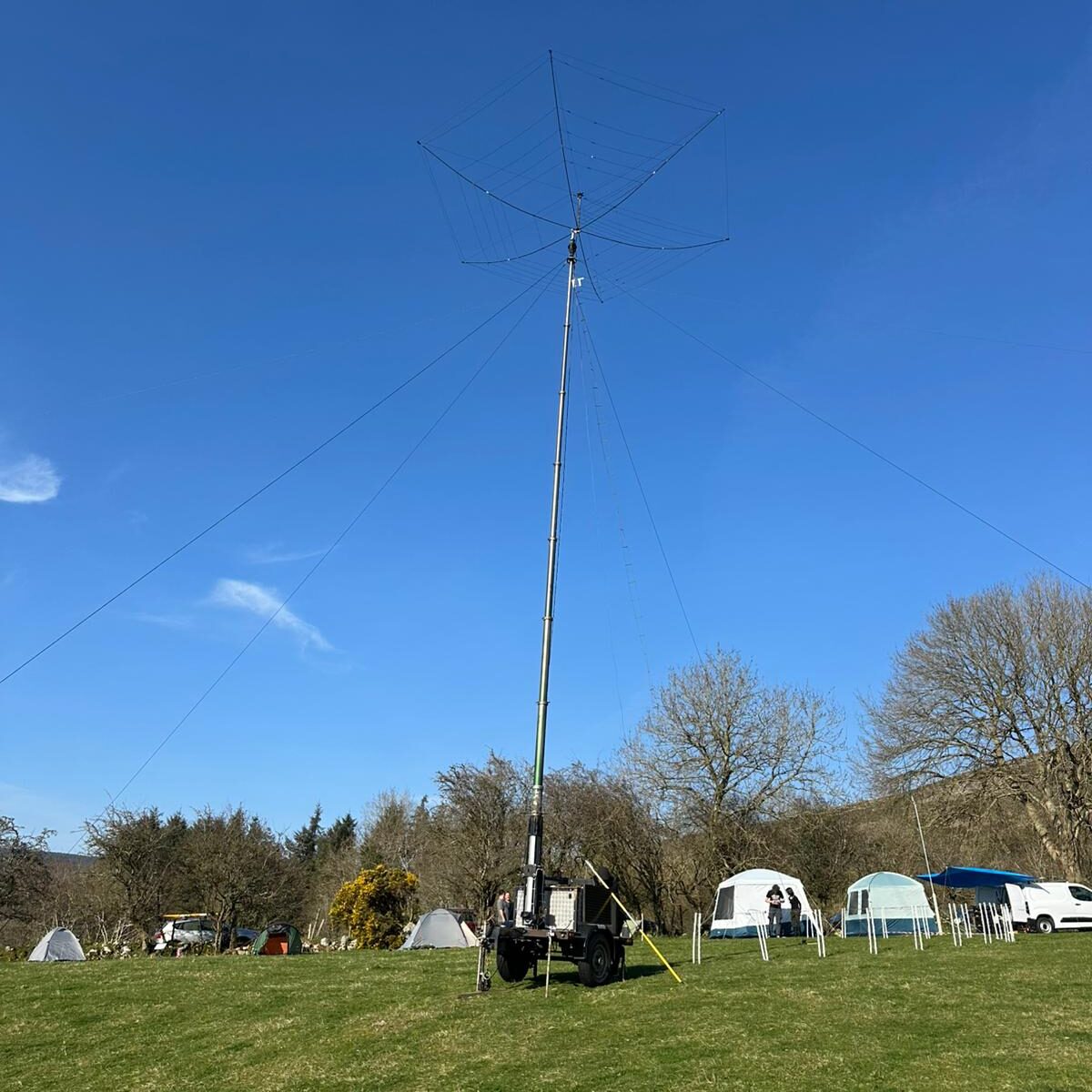
Pump-up mast with Ben Field, EI9IUB
Ben will demonstrate his trailer-mounted mast, built around an ex-MOD Sankey trailer and a Clark SCAM 12 mast. The setup normally carries a hexbeam antenna and rotator, with a dipole for the lower bands.
Come and see how it works and chat about setting up a portable radio station.
Packet radio with Victor, EI5IYB
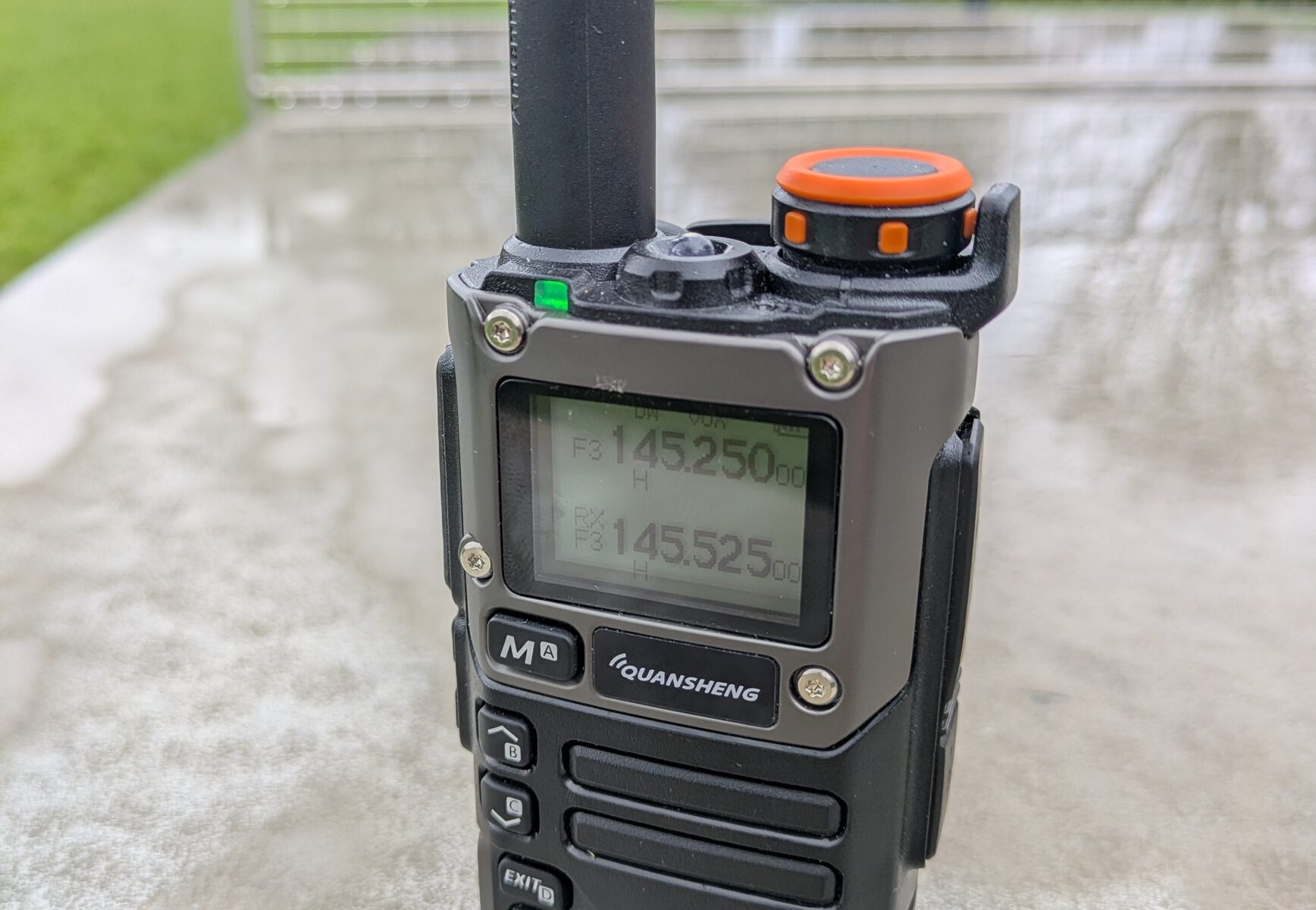
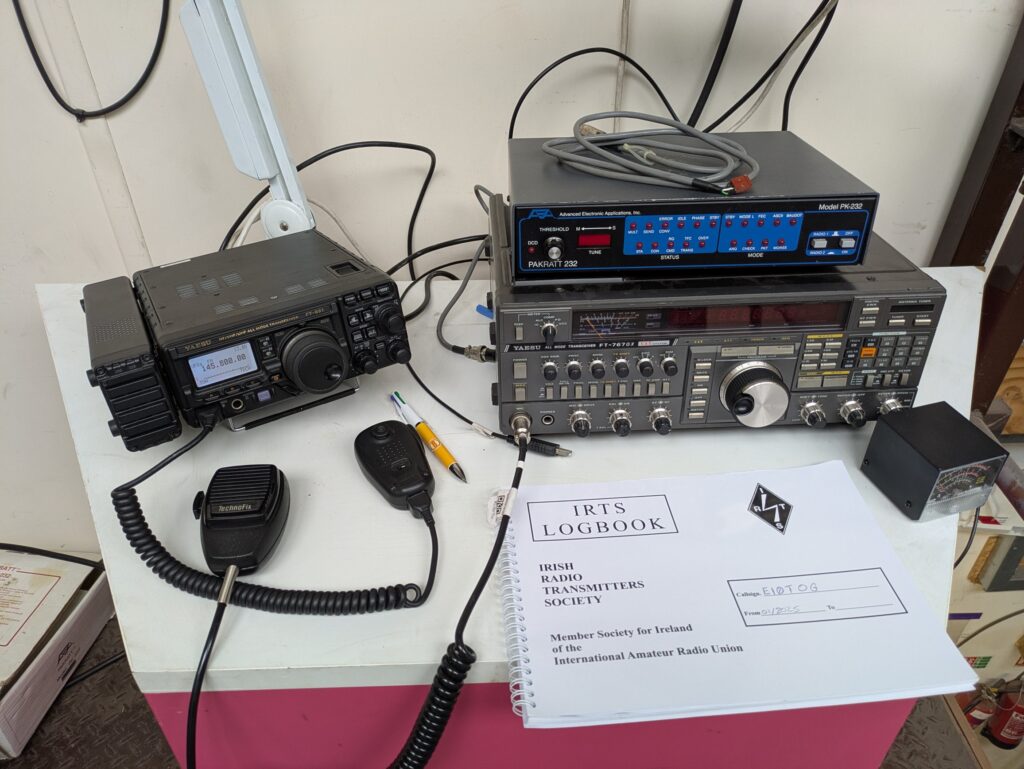
Earlier this year, TOG joined the packet radio network. Vic will give practical demonstrations of connecting to and using it, and introduce the applications built on top of the network.
Discover how computers communicate over radio, with uses including messaging, group chat and news and weather services. Thanks to the Online Amateur Radio Community (OARC) for supporting this part of the programme.
Make your own callsign patch with Tree
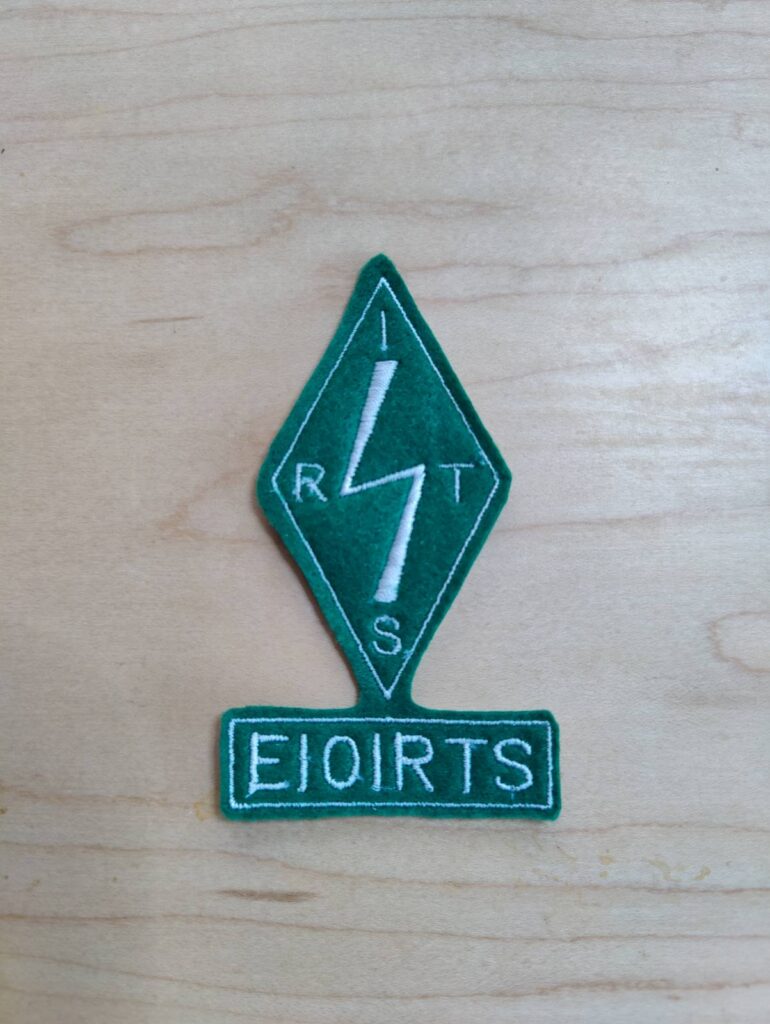
Tree will be on hand throughout the day to demonstrate TOG’s new industrial embroidery machine and help visitors make their own callsign patches.
Learn how the machine works and see your callsign turned into a patch. Thanks to the Irish Radio Transmitters Society for part-funding the consumables through its Promoting Amateur Radio Fund. Donations towards material costs are welcome.
13:00 and 14:00 | Advanced soldering workshops
Already know how to solder and want a new challenge? We have a range of kits for you to try, with instructors on hand to help you get started and work through the tricky bits.
These informal workshops start at 13:00 and 14:00. Kits cost €10–€20, depending on which you choose, and soldering irons are provided.
Afternoon | Radio talks
Three talks will bring us together for a closer look at different sides of radio in collaboration with Engineers Ireland Electronic and Computing Division . The programme includes
15:00 | Radio skills, skills for life – Vic, EI5IYB
Amateur Radio is a technical hobby but not only. It is a hobby of many hobbies, from mechanical engineering and communication skills to project management. In this talk, Vic will explore the skills that are gained in the ham radio hobby and how they transfer into your personal and professional life.
16:00 | Radiosondes: Radio and Weather Balloons – Met Éireann
An introduction to radiosondes, the instruments carried by weather balloons, and how radio is used to send atmospheric measurements back to the ground.
17:00 | Making Room for the Whimsical in Amateur Radio – Jeffrey Roe, EI7IRB
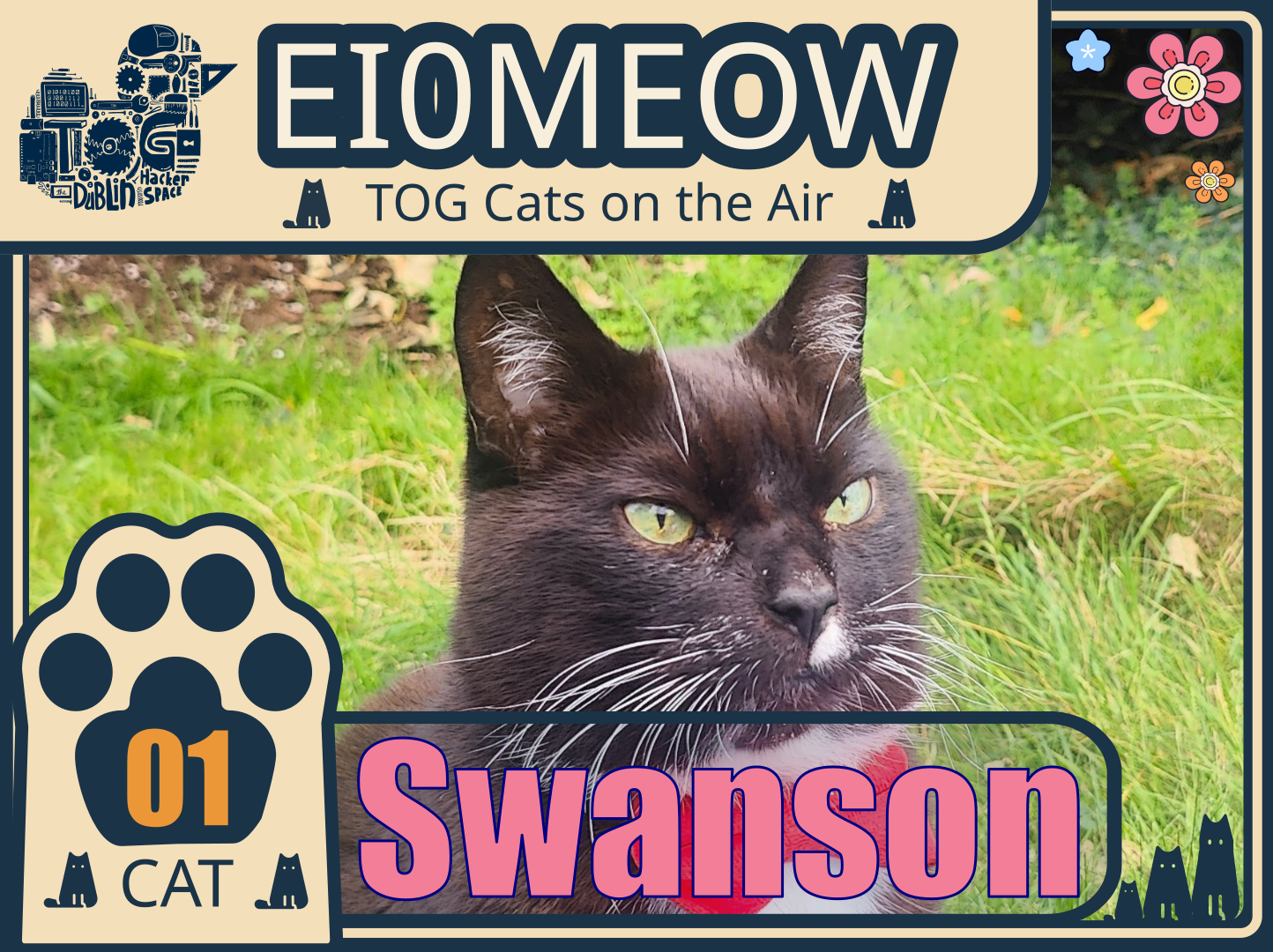
From Toilets on the Air to sending cat pictures with EI0MEOW, amateur radio has plenty of room for a bit of messing. Jeffrey explores playful projects, lightbulb antennas and Halloween Morse events, asking how we can encourage unusual ideas in our clubs.
A talk about curiosity, experimentation and enjoying radio simply because it makes us smile.
See the Saturday Eventbrite listing for the current talk timetable and full speaker line-up
From 18:00 | TOG Open Social & Pizza Night
Stay around after the talks for TOG’s October Open Social. We’ll fire up the pizza oven, meet members and visitors, show off projects and keep the radio, electronics and making chats going into the evening.
Book your free place for Saturday’s Radio Day, talks and social
Sunday 25 October: Radio in the Park & Retro Day
10:30–12:30 | Parks on the Air at Lansdowne Valley Park
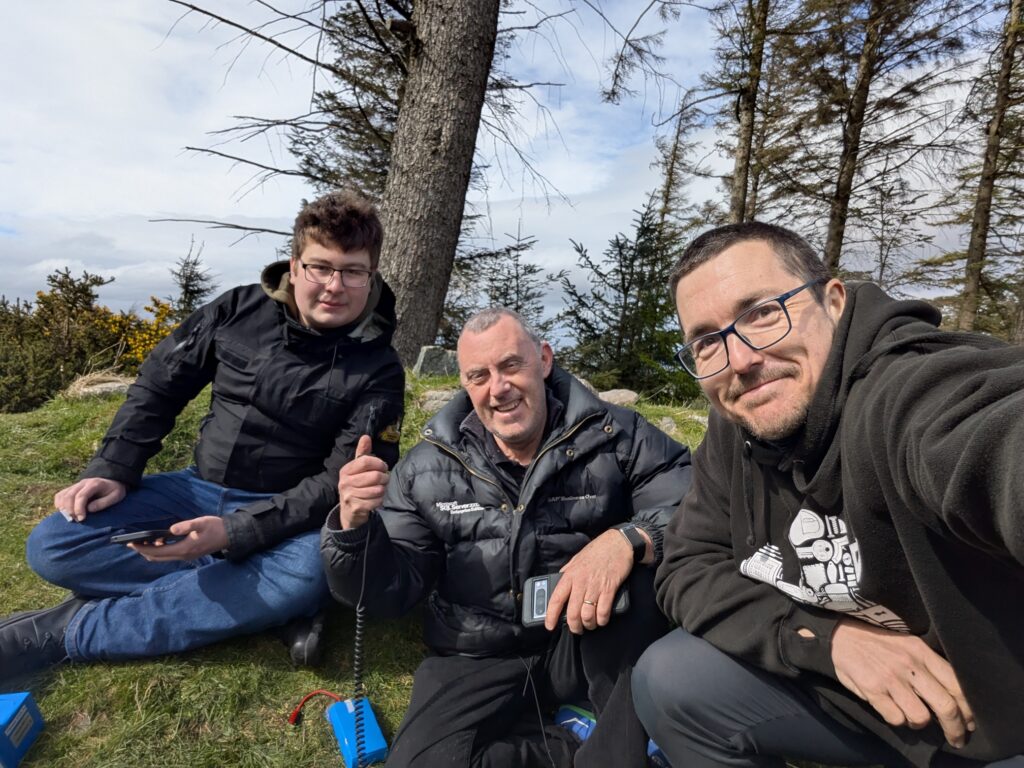
We’ll start Sunday outdoors with a Parks on the Air (POTA) activation at Lansdowne Valley Park Recreation Park.
Come and see a portable amateur radio station in action. We’ll get on the air, including calling into the South Dublin Radio Club Sunday net and listening to and checking in after the IRTS Sunday News on 2 metres.
It’s a chance to see how a station can be taken out into a park and put on the air, or to join other operators for a morning of portable radio.
14:00–18:00 | Retro Radio & Computing Day
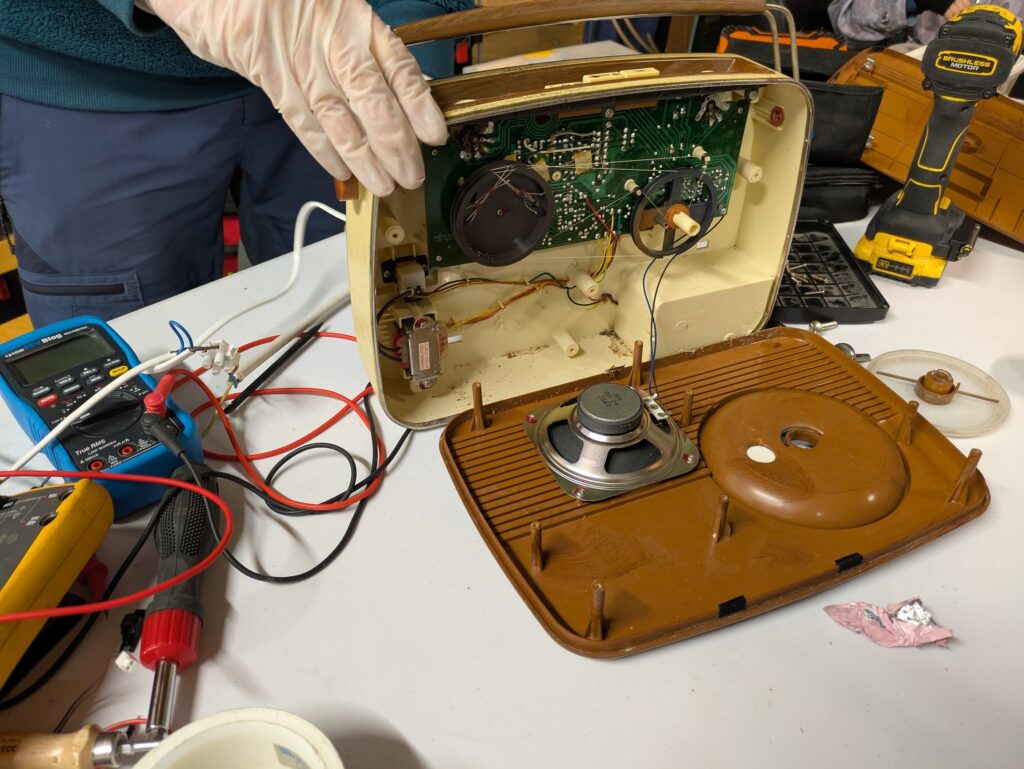
Sunday afternoon is for old radios, glowing screens and technology that still has plenty of stories to tell.
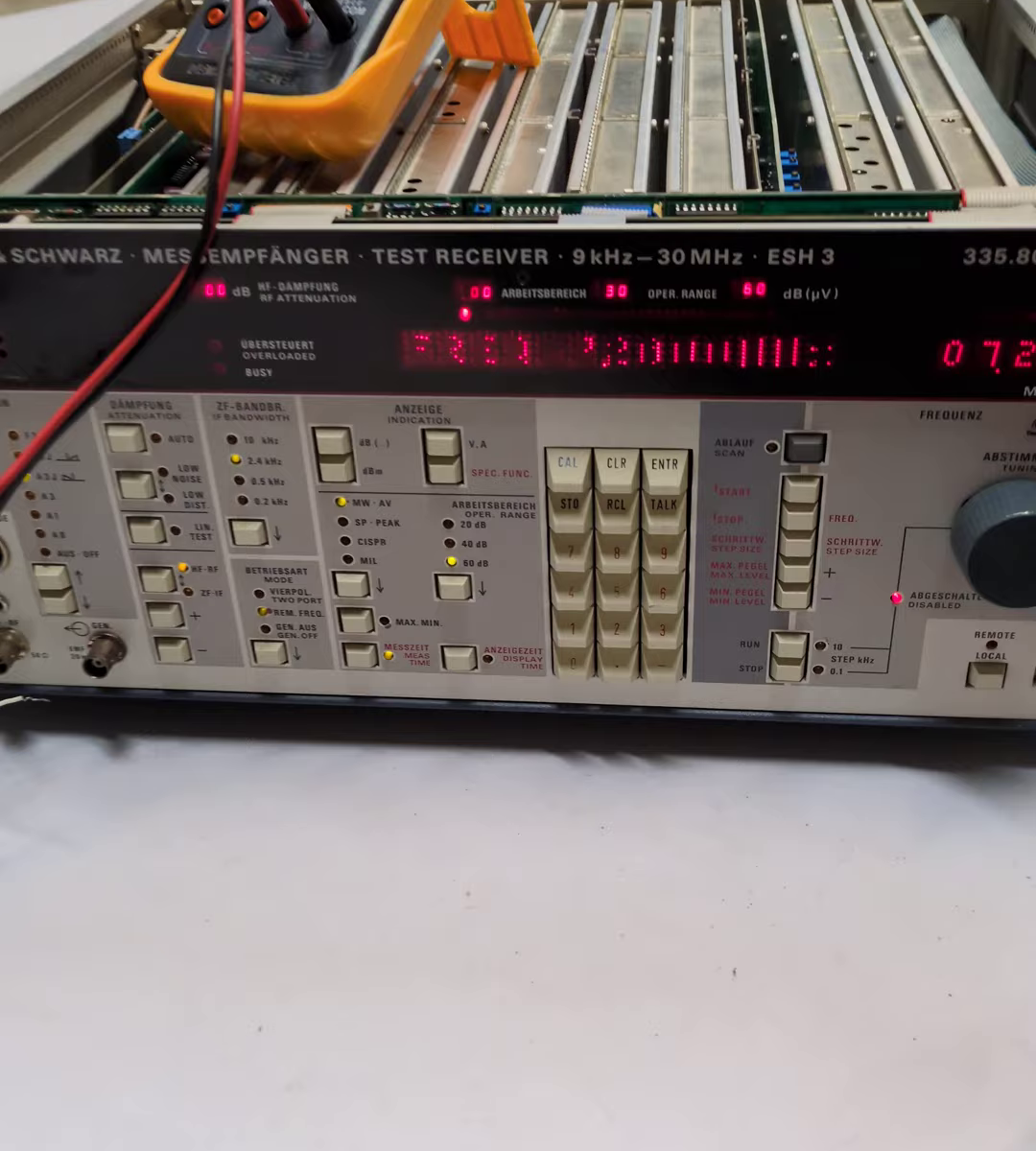
Our Retro Day returns with a special focus on vintage radio and communications equipment, alongside retro computers, consoles, games, test equipment and unusual electronics.
Members, radio clubs, collectors and visitors are invited to bring equipment to demonstrate and restoration projects to talk about. Working machines and projects still in progress are both welcome.
Have something to show? Email info@tog.ie with what you’d like to bring, how much table space you need and any power or display requirements.
Come along to exhibit, try some old technology or simply have a look and a chat. Please ask the owner before operating any equipment.
Book your free place for Retro Radio & Computing Day
Getting to TOG
All activities take place at TOG Hackerspace, Unit 1B Motor City, Kylemore Road, Dublin 12, D12 CF6V, apart from Sunday morning’s POTA session at Lansdowne Valley Park.
TOG is a short walk from the Kylemore stop on the Luas Red Line. See our location page for directions. For access questions or other event enquiries, email info@tog.ie.
Radio Day and Retro Day have free entry. Advanced soldering kits cost €10–€20, and donations towards callsign patch materials are welcome. Check the separate satellite workshop listing for its ticket details.
With thanks
The weekend is made possible with support from Dublin City Council.
Thanks also to the IRTS Promoting Amateur Radio Fund for part-funding callsign patch materials, and the Online Amateur Radio Community for supporting the packet radio activities.
Come for a workshop, bring an old radio, join us in the park or stay for the whole weekend. We look forward to seeing you.