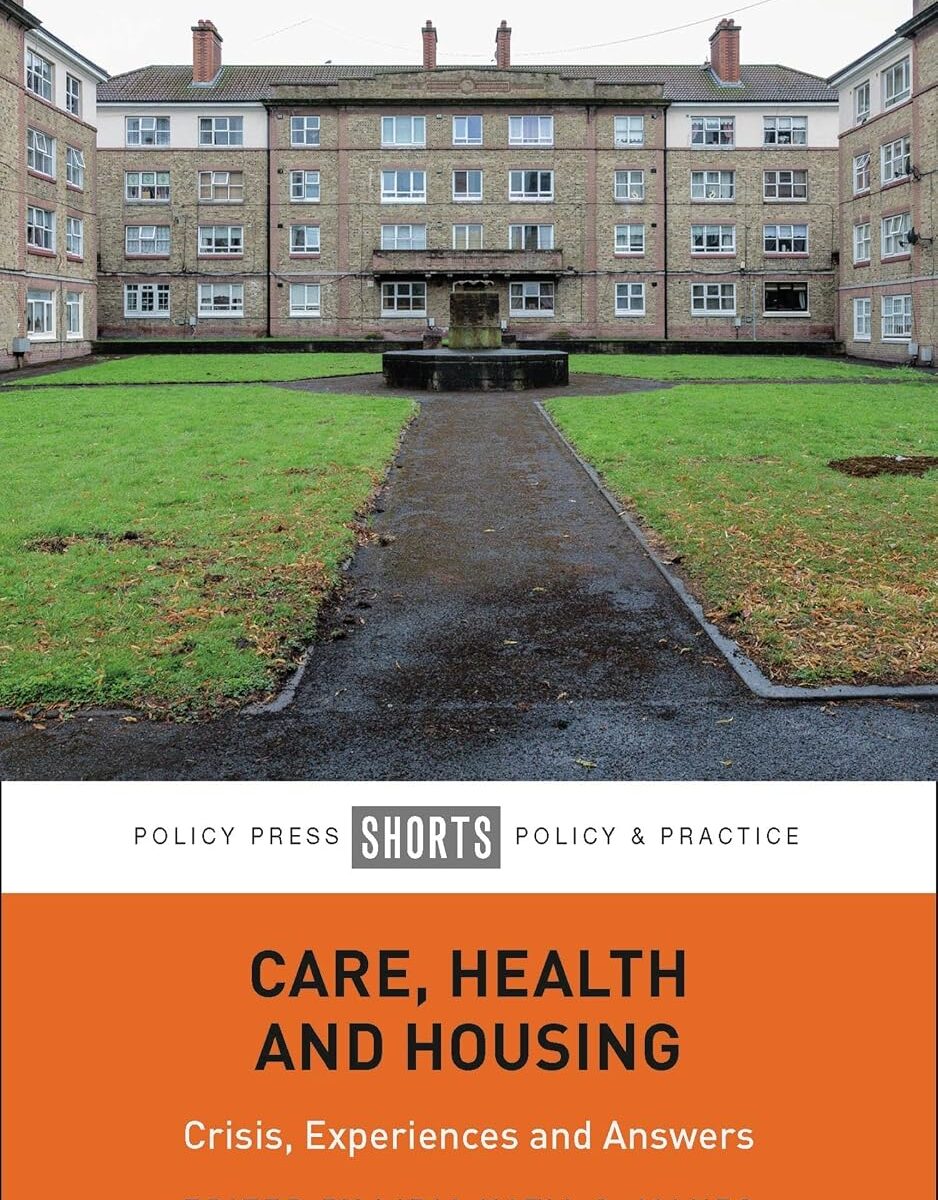
We’re delighted to congratulate TOG member Jeffrey Roe, who has co-authored a chapter with Jack R. Lehane in Care, Health and Housing: Crisis, Experiences and Answers.
Edited by Lidia Katia C. Manzo and published by Policy Press on 28 September 2026, the book explores the connections between housing conditions, health and care. TOG’s citizen science workshops are part of that story.
Jeffrey and Jack’s contribution is Chapter 8, “Grassroots citizen science and indoor air quality networks: tools for understanding inadequate social housing conditions.” It looks at how affordable sensors and community involvement can help people understand conditions in their homes and gather evidence to support calls for improvements.
For Jeffrey, it all started with a citizen science workshop. Sharing the practical work we were doing led to conversations about housing and health, an invitation to contribute, and eventually this collaboration.
If you have taken part in one of our air quality workshops, some of the chapter will feel familiar. It describes people coming together to assemble their own sensors, learn how they work and share environmental data. There are also photographs from TOG workshops, showing participants building enclosures and putting their devices together.
Over the years, we have brought these activities to different communities, including our work with the Abbeyleix Climate Action Project and our Build Your Own Air Quality Sensor workshop for Science Week. Participants learn practical electronics skills while contributing to a shared understanding of the air around them.
The chapter connects that hands-on learning with a wider question: how can communities use the knowledge and tools they build together to improve the places where they live?
It’s lovely to see work that starts around our workshop tables become part of a book. Congratulations to Jeffrey and Jack, thank you to Lidia for bringing the publication together, and thanks to all the volunteers and participants who make these workshops possible.
The whole book is open access, so you can read it online for free. You’ll find Jeffrey and Jack’s chapter on pages 147–164. A paperback edition is also available.