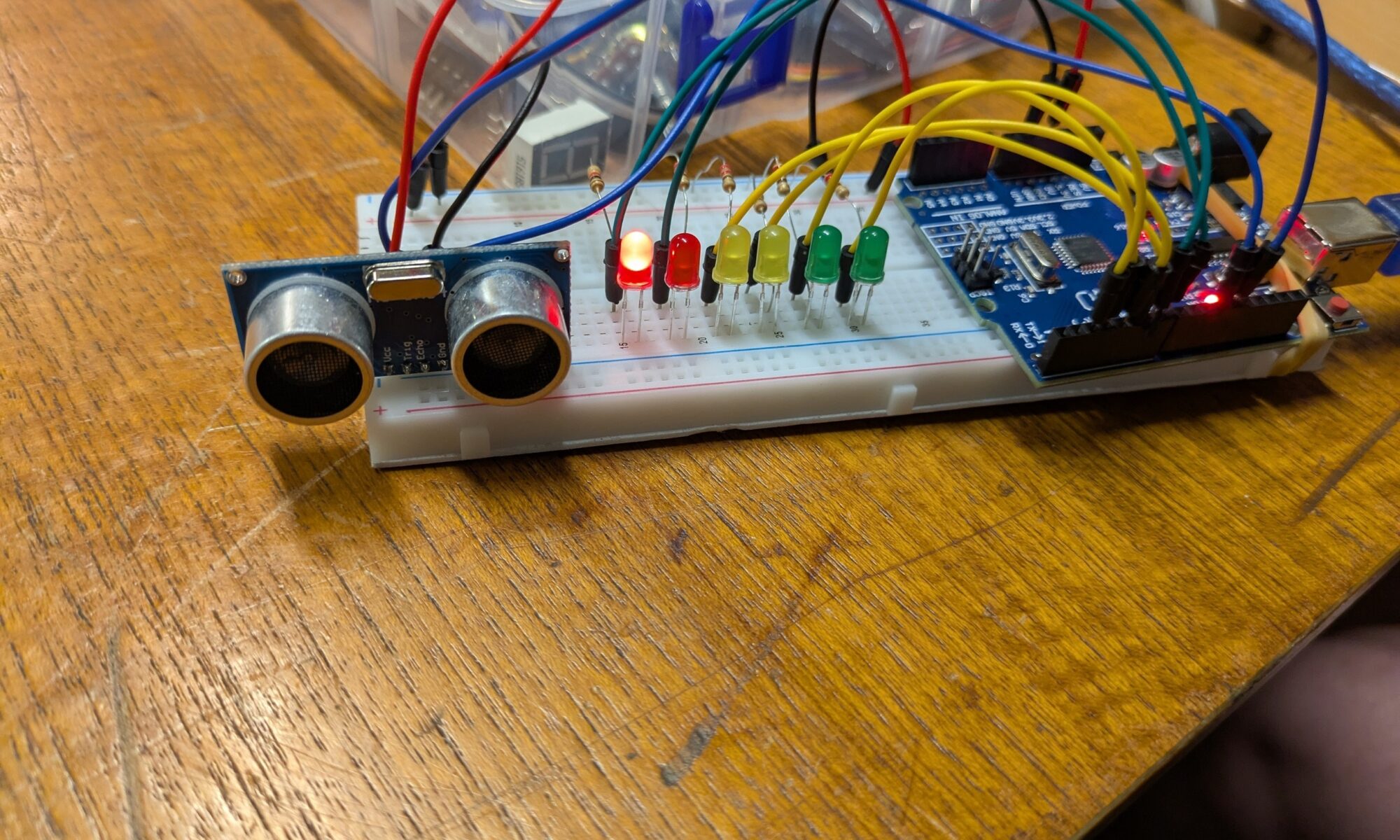
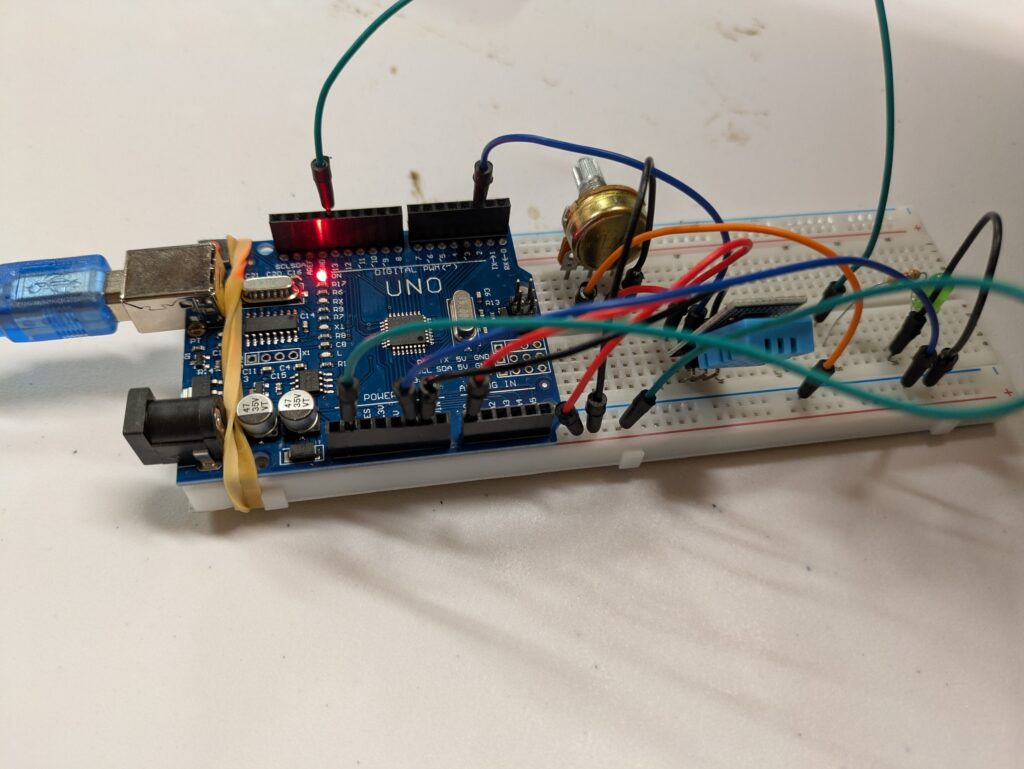
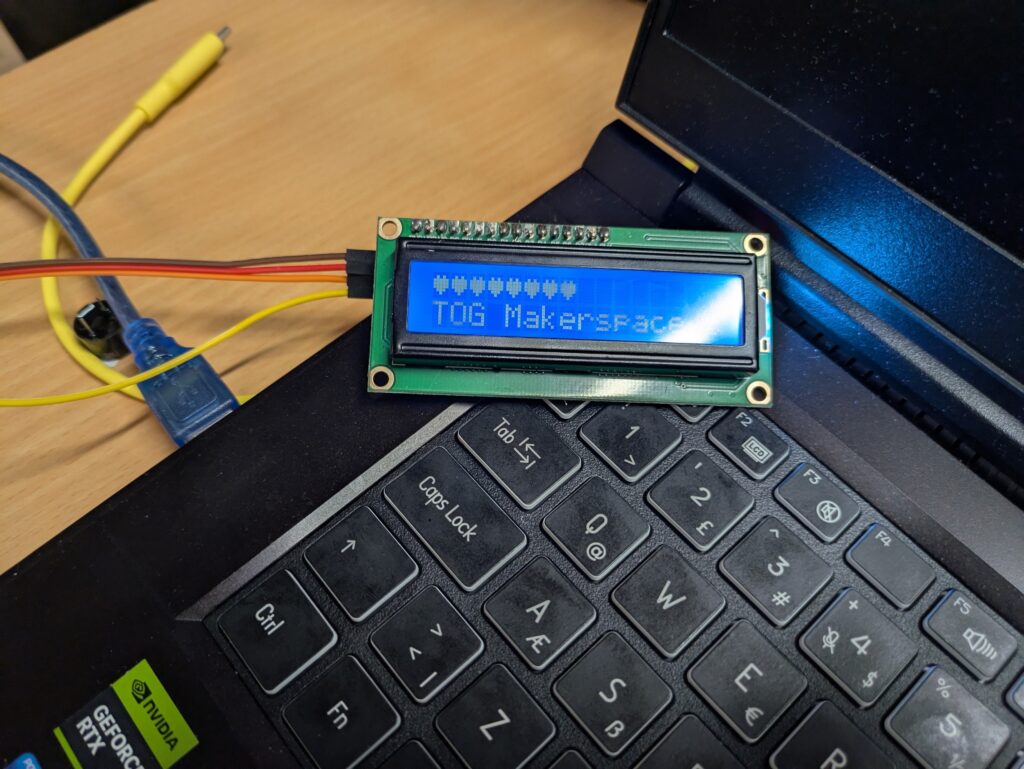
Over the course of five engaging evenings this May, Tog Hackerspace hosted a hands-on Physical Computing Course that brought participants deep into the world of electronics and programming.
Led by our talented members Ambrose Clarke and Jeffrey Roe, the course introduced a wide range of hardware components and coding concepts using the Arduino platform. Each week, participants explored a new set of tools and ideas, steadily building up their skills and confidence.
Throughout the sessions, participants worked with:
LEDs and buzzers to understand output and tone
Temperature sensors to measure and display data
Servos to create movement
RFID readers to identify objects with tags
LCD screens to show custom messages
The final session focused on combining what they had learned into a small project inspired by their own interests—whether that was a simple alert system, an environmental monitor, or just a fun interactive device.
We’re incredibly proud of the creativity and curiosity shown by everyone involved. The supportive, social environment made the class a great success—and we’re looking forward to running similar workshops in the future.
We’d like to give a huge thank you to Dublin City Council for supporting this initiative through their Informal Adult Education Grant Scheme 2024. Grants like this allow us to open our doors wider and create opportunities for people to explore technology in a hands-on, welcoming setting.
Want to get involved? Join us for our Electronics Nights every second Monday or check out our Events Page for upcoming workshops and courses.
We’re excited to announce that Tog Hackerspace is once again a Community Sponsor of Security BSides Dublin, taking place on Saturday, 24th May 2025, in Trinity Business School.
Security BSides Dublin is an annual information security conference run by a passionate community of volunteers. It provides a platform for infosec professionals, enthusiasts, and hobbyists to come together and share their knowledge in a relaxed, inclusive environment. Talks and workshops will explore everything from ethical hacking and digital forensics to cryptography and social engineering.
As part of our involvement this year, Tog will be hosting a lockpicking table at the event. Whether you’re brand new to physical security or a seasoned picker, drop by our table and try your hand at opening various locks with specially designed tools. Our members will be on hand to guide you through the process and talk about the fascinating overlap between lockpicking and digital security.
We’ll also be sharing more about what Tog Hackerspace has to offer—from electronics nights and coding workshops to 3D printing, laser cutting, and hardware hacking. It’s a great chance to meet our members, learn about upcoming events, and see how you can get involved in Dublin’s maker and hacker community.
We’re thrilled to announce that Tog Hackerspace will be taking part in this year’s Dublin Tech Week, running from May 23rd to 30th, 2025!
Dublin Tech Week is a city-wide celebration of innovation, technology, and community. Its mission—to celebrate innovation, foster collaboration, inspire the next generation, and promote inclusivity—is perfectly aligned with our goals at Tog. We’re proud to open our doors and share our passion for tech and making with a series of engaging, hands-on events throughout the week.
Whether you’re a seasoned hacker or just tech-curious, we’ve got something for you:
🔭 Build Your Own Satellite Ground Station
📅 Saturday, 25th May 🕚 11:00am – 1:00pm 📍 Register here
Are you fascinated by space and want to learn how to receive data from satellites and weather probes? Join us for a TinyGS Station Workshop, where you’ll build and program your own ground station and antenna to capture real data from space.
Perfect for beginners and space geeks alike—no prior experience required. Come explore radio, electronics, antenna design, and IoT with us!
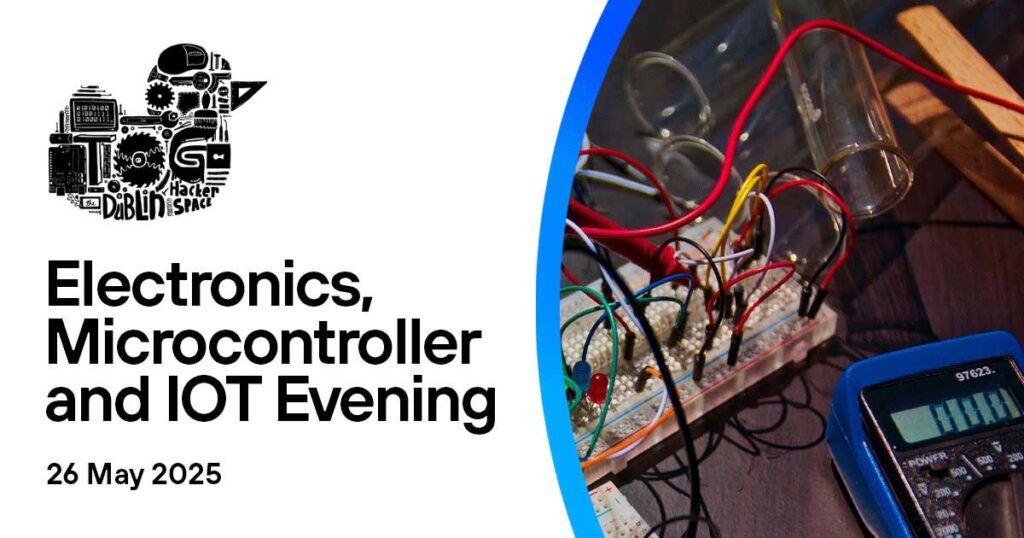
💡 Electronics, Microcontroller, and IoT Evening
📅 Monday, 26th May 🕖 7:00pm – 9:00pm 📍 Register here
Join us for our regular Monday electronics night! These informal drop-in sessions are a great way to explore microcontrollers, sensors, soldering, and all things electronic.
Newcomers are always welcome, and we’ll give you a tour of the space. Bring a project to work on, or just come by and get inspired.
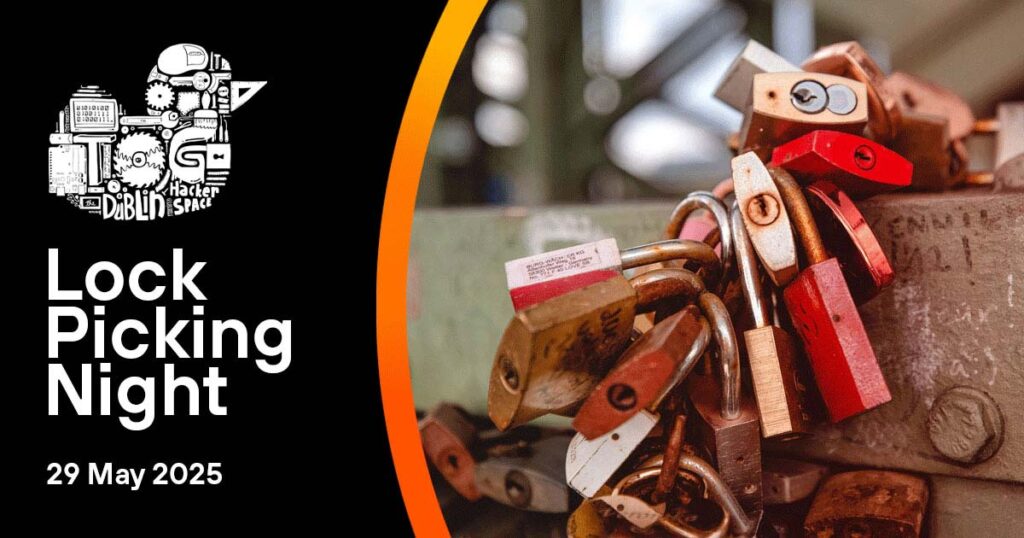
🔐 Lock Picking Night
📅 Thursday, 29th May 🕖 7:00pm – 9:30pm 📍 Register here
Always wanted to learn the art of lock picking? This fun, social evening is open to everyone, whether you’re brand new or already an experienced picker. We’ll provide all the tools—you just bring your curiosity!
It’s a great opportunity to learn new techniques, meet fellow enthusiasts, and get hands-on with real locks commonly found in Ireland.
We’re delighted to be part of a week that showcases the creativity and diversity of Dublin’s tech community. Come visit us during Dublin Tech Week, meet our members, and discover what hackerspaces are all about.
Check out this reflection from our member Jeffrey Roe on returning to a project he first worked on over a decade ago.
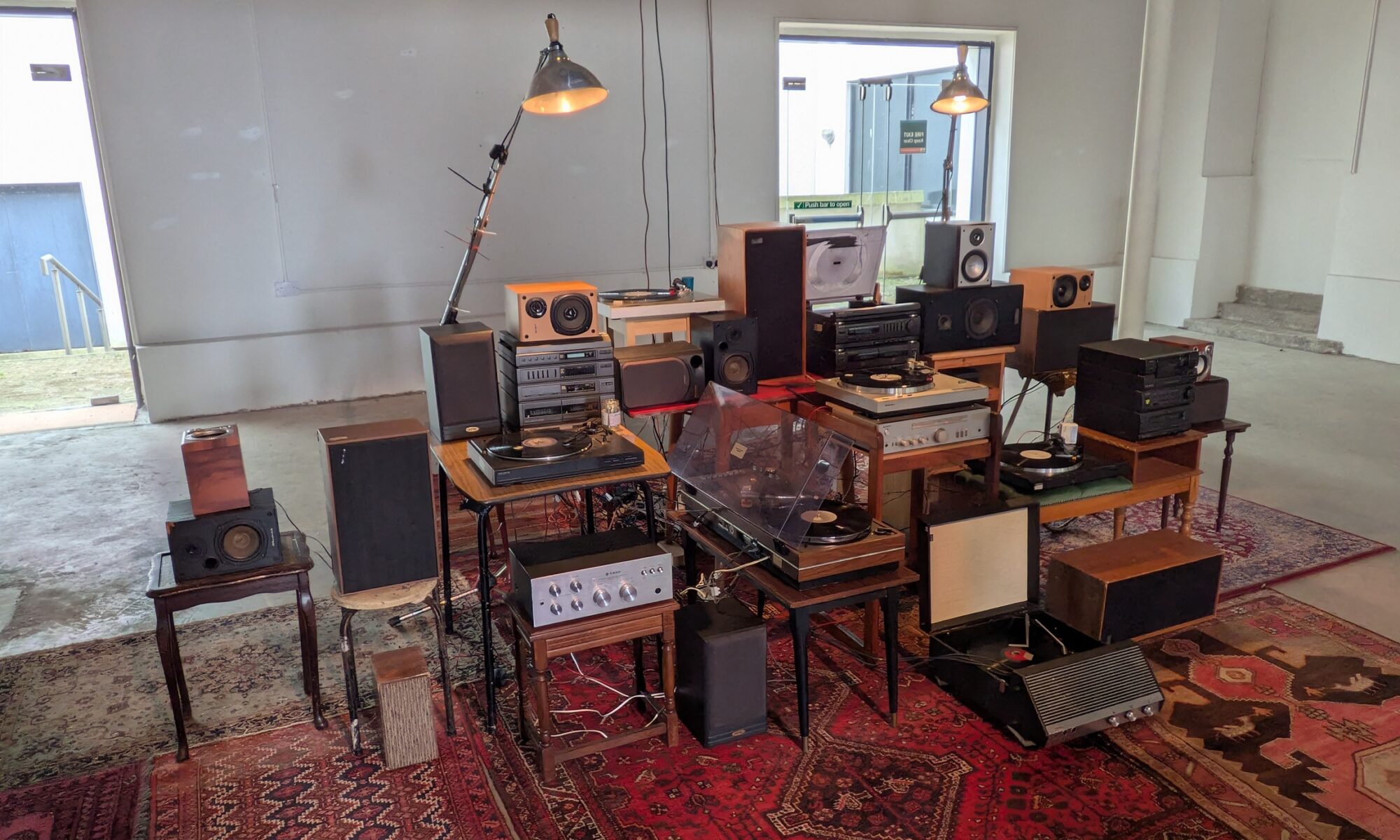
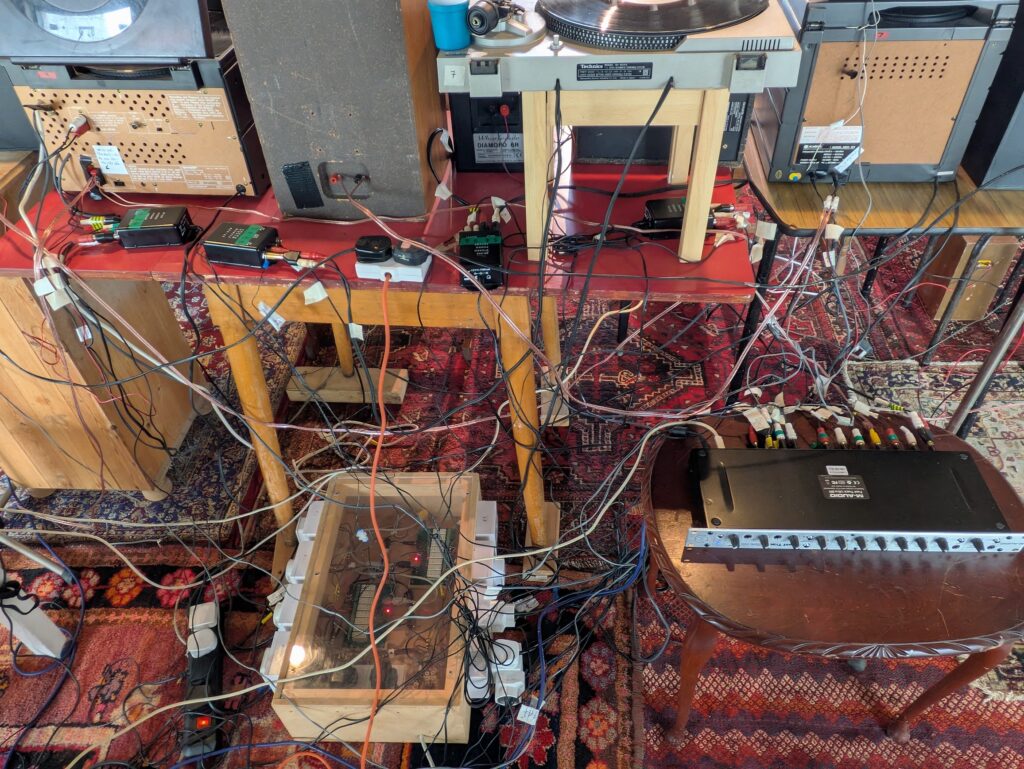
Back in 2009, I moonlighted as an art technician, working with artist Liam O’Callaghan on an ambitious audio-visual installation involving vintage record players, relays, and looping vinyl. At the time, I didn’t give much thought to cable management. I just wanted it to work, and it did.
Over a decade later, that same installation was pulled out of storage for a new showing at the 2025 Drogheda Arts Festival. Rebuilding and repairing something I made in my early days was a humbling and hilarious experience. I was faced with mystery wires, unlabeled plugs, cryptic C++ code, and lots of “why did I do it this way?” moments.
The Technical Overview
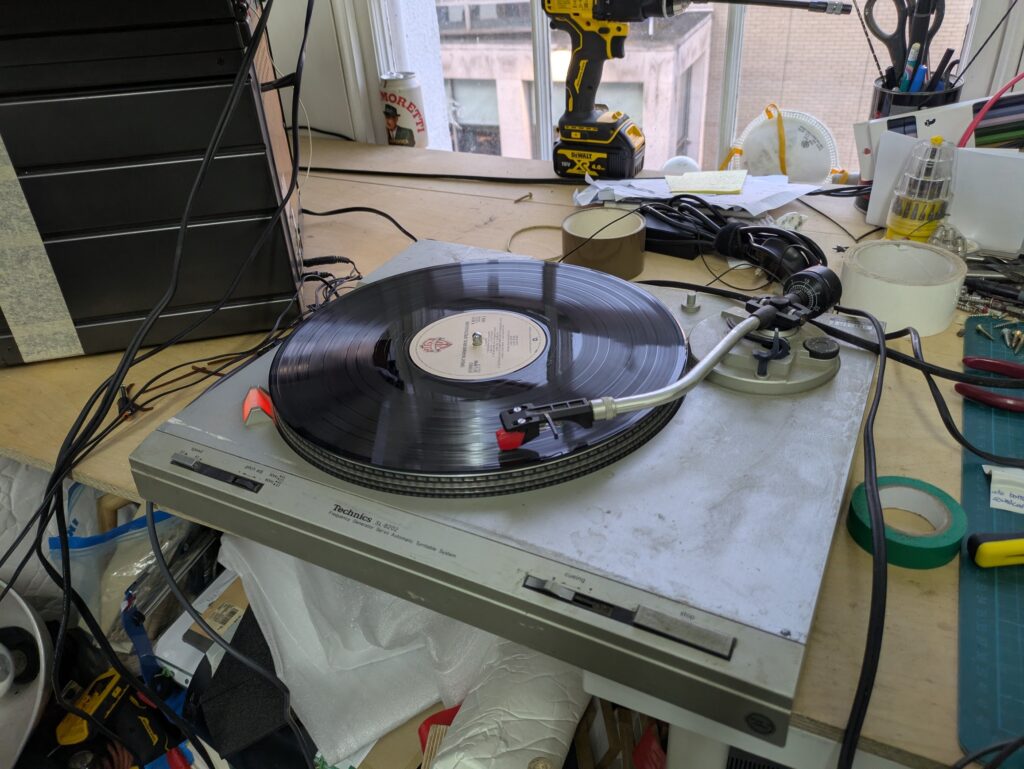
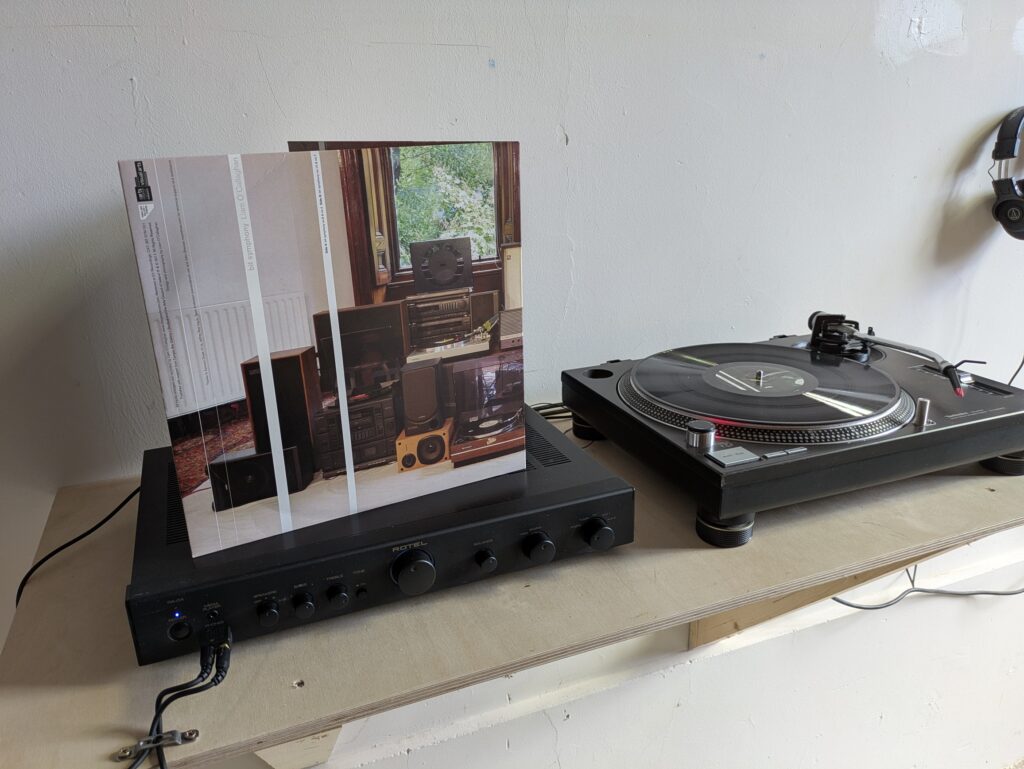
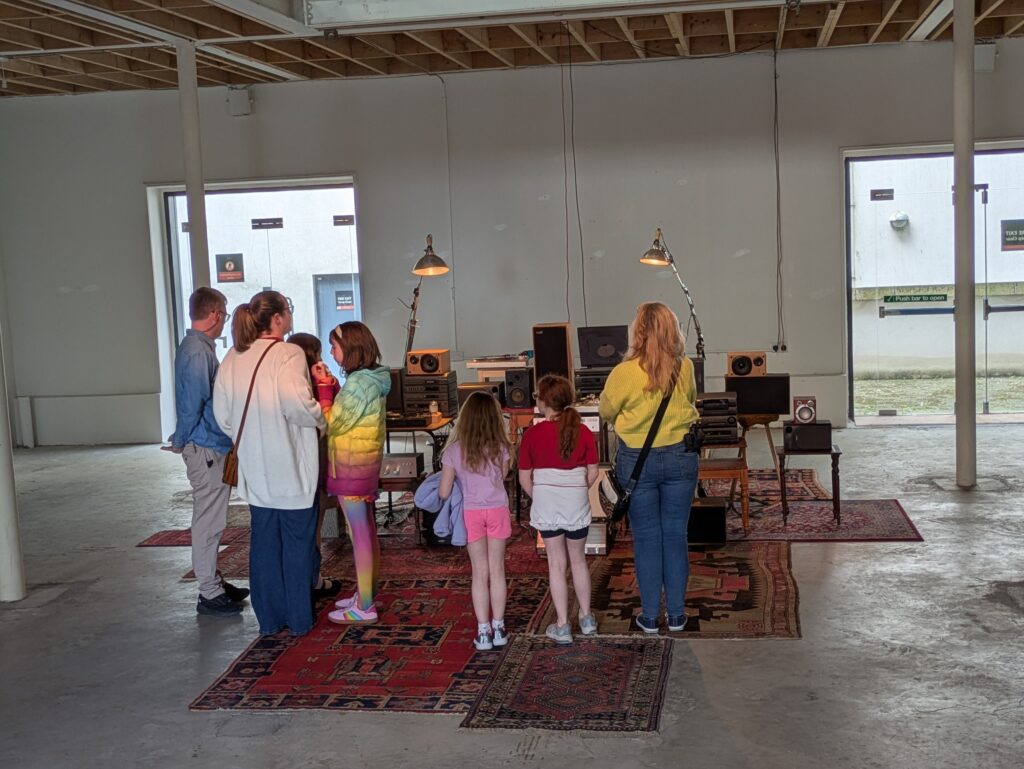
The installation is made up of eight vintage record players, each with a unique vinyl record acting as a sound sample. They’re all triggered in a choreographed sequence, starting and stopping in time to form a layered mechanical symphony.
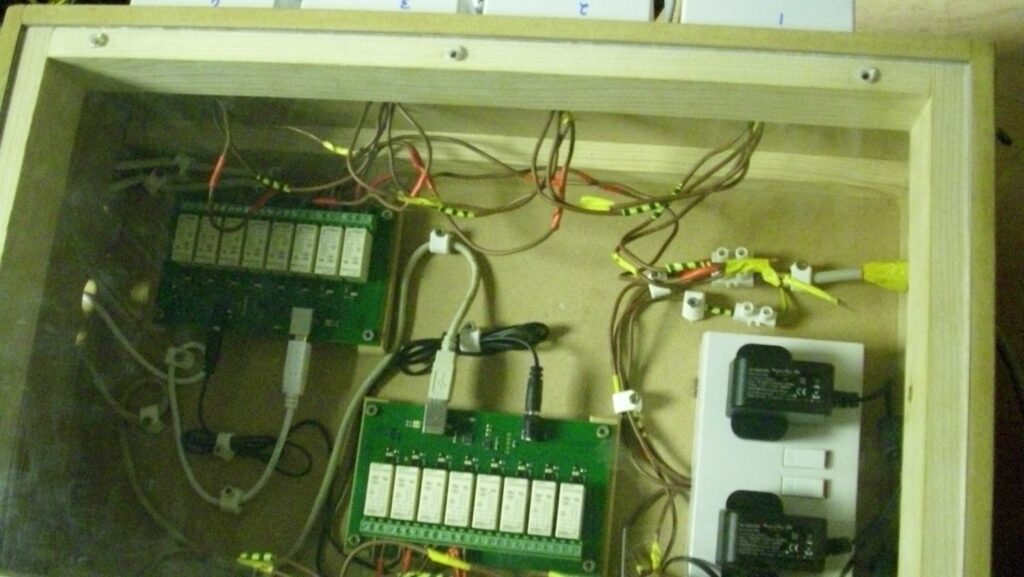
To achieve this, two Devantech USB-RLY16 relay boards (8-channel, 16 Amp) control the power to each turntable. A C++ program communicates with the boards over serial to switch them on and off at precisely timed intervals.
Audio from the turntables is routed through a M-Audio Fast Track Ultra 8R into AudioMulch, which is used to smooth transitions and apply real-time effects like fades and filtering. The whole thing runs on a laptop with Windows XP(yes, really), using the Windows Scheduler to automate playback sequences.
The Refurbishment Timeline
Here’s how it all came back together over five repair sessions:
Night 1: Repaired two record players, replaced worn-out speaker wires, and rewired new plugs. Night 2: Fixed a turntable spinning in the wrong direction, replaced a few needles, and swapped out a failed unit. Night 3: Reconfigured the soundcard defaults and added much-needed labels (finally!). Night 4: Final testing and adjustments to get everything running smoothly. Night 5: Automated the entire performance loop and added safeguards for show reliability. That meant rechecking the schedule triggers, failover behaviour, and adding some emergency manual controls in case something went wrong mid-show.
Lessons From the Past
Seeing my younger self’s wiring choices was a reminder of how far I’ve come and how much I’ve learned. If I were rebuilding this today, I would:
Use modular smart nodes like ESP32S with MQTT or OSC for cleaner communication
Create a simple web-based interface for testing and configuration
Avoid the cable jungle with proper labelling, documentation, and good cable management
Still, there’s a charm to seeing something so handmade still working after all these years.
The Show and What’s Next
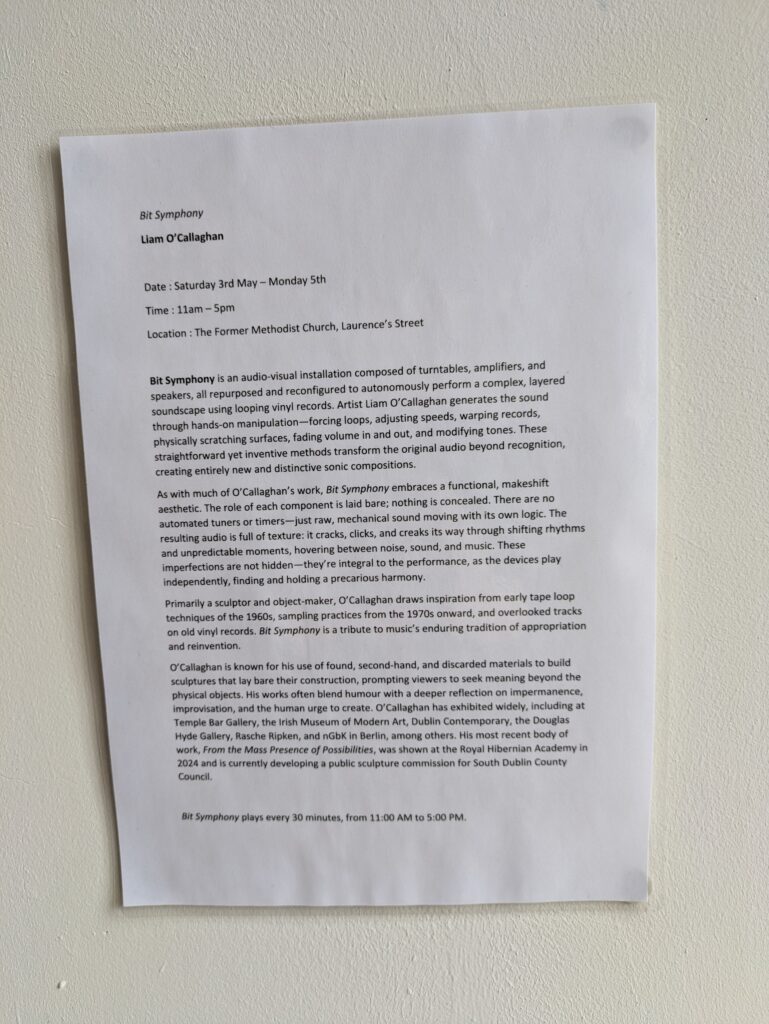
Bit Symphony was exhibited over the May bank holiday weekend at the Former Methodist Church on Laurence’s Street as part of Drogheda Arts Festival 2025. The response was fantastic. Visitors were fascinated by the tactile, analogue-meets-digital nature of the work.
📸 Check out a gallery of photos from the rebuild and exhibition here: [Photo Gallery Link]
Thanks to everyone who stopped by, asked great questions, and appreciated the slightly chaotic beauty of eight record players making music together. Who knows, maybe in another 10 years, I’ll be repairing it again (with better cable ties this time).
Tog Hackerspace member Eduard Garanskij is hitting the road again—this time to Swindon for RetroFest 2025! The event will take place in the Hawksworth Room at STEAM—Museum of the Great Western Railway, and it will run from 10 a.m. to 5 p.m. on Saturday, May 31st, and Sunday, June 1st.
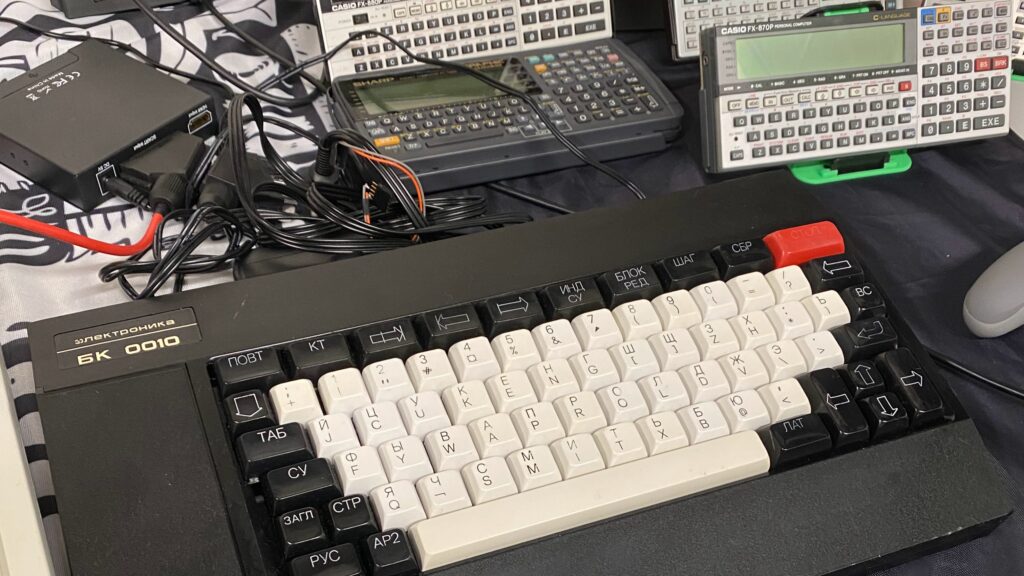
Eduard’s exhibit, titled “Journey Through Time: Exploring the Legacy of 80s Programmable Calculators and Soviet-Era Computers,” will dive deep into the fascinating world of vintage Soviet computing. Visitors will get a rare chance to see how Soviet computers were built using original CPUs, often engineered for compatibility with the PDP architecture. Alongside this, Eduard will showcase iconic programmable calculators from the 1980s, offering live demos and insights into their historical context and functionality.
If you’re in the UK or fancy a retro tech weekend away, don’t miss this chance to see Eduard’s hands-on exhibit and explore the roots of Eastern Bloc computing history!
📍 Location: STEAM – Museum of the Great Western Railway, Fire Fly Ave, Swindon SN2 2EY 🗓️ Dates: Saturday 31st May – Sunday 1st June 2025
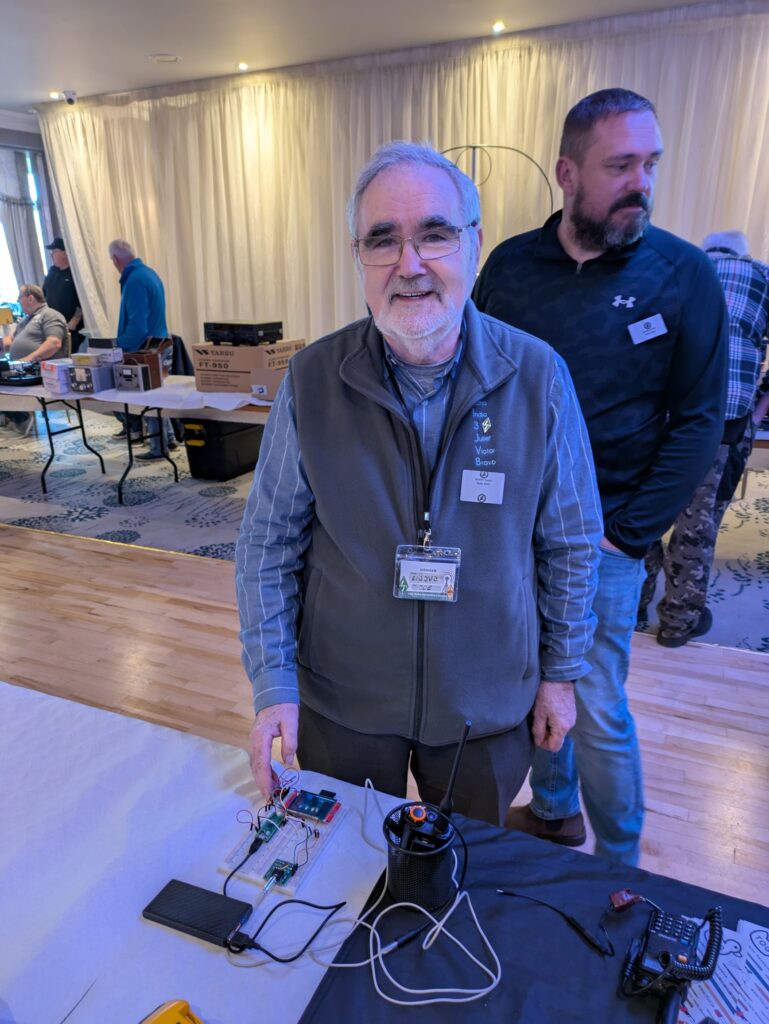
Here’s a project write-up by our member Jeffrey Roe, who recently built a Slow Scan TV (SSTV) demo using a Raspberry Pi Pico. He showed it off during the IRTS AGM weekend and radio rally—blending hardware, software, and radio in true hacker fashion.
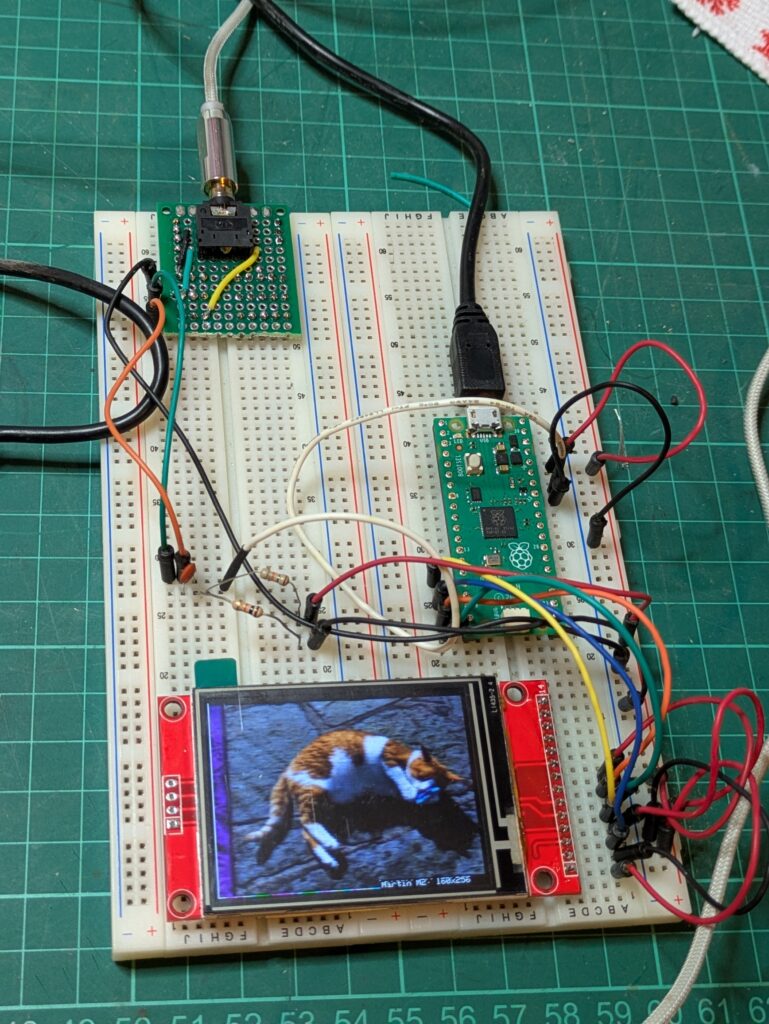
For the IRTS AGM weekend and radio rally, I wanted to put together a fun little demo to show off something radio-related that combines both hardware and software tinkering. The result? A working SSTV (Slow Scan Television) transmission system using a Raspberry Pi Pico. The aim was to send images over audio and decode them via amateur radio equipment—or in this case, a phone and an oscilloscope during testing.
Like all great projects, this one started with the classic struggle: trying to avoid soldering… and thinking it would only take an hour. How wrong I was!
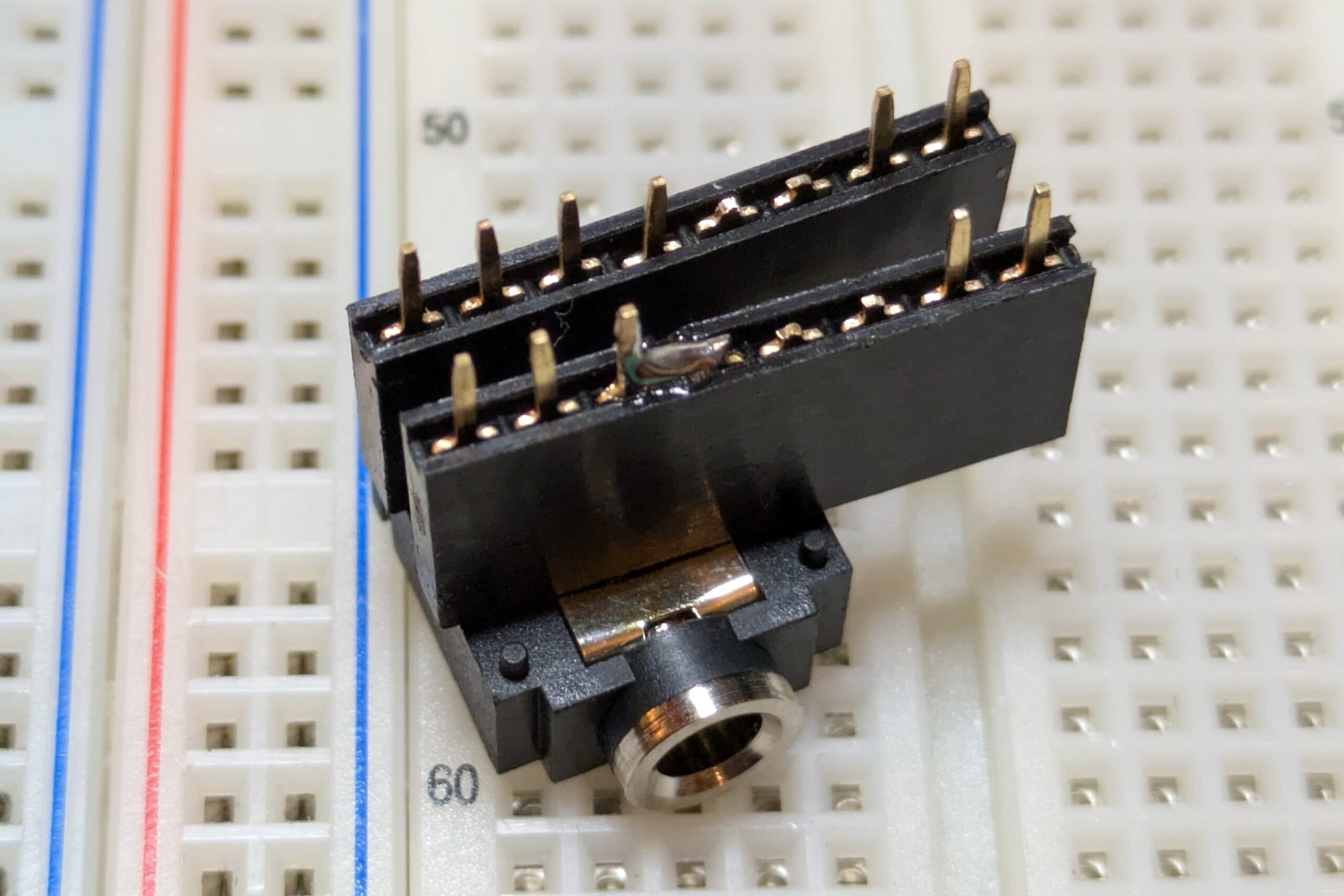
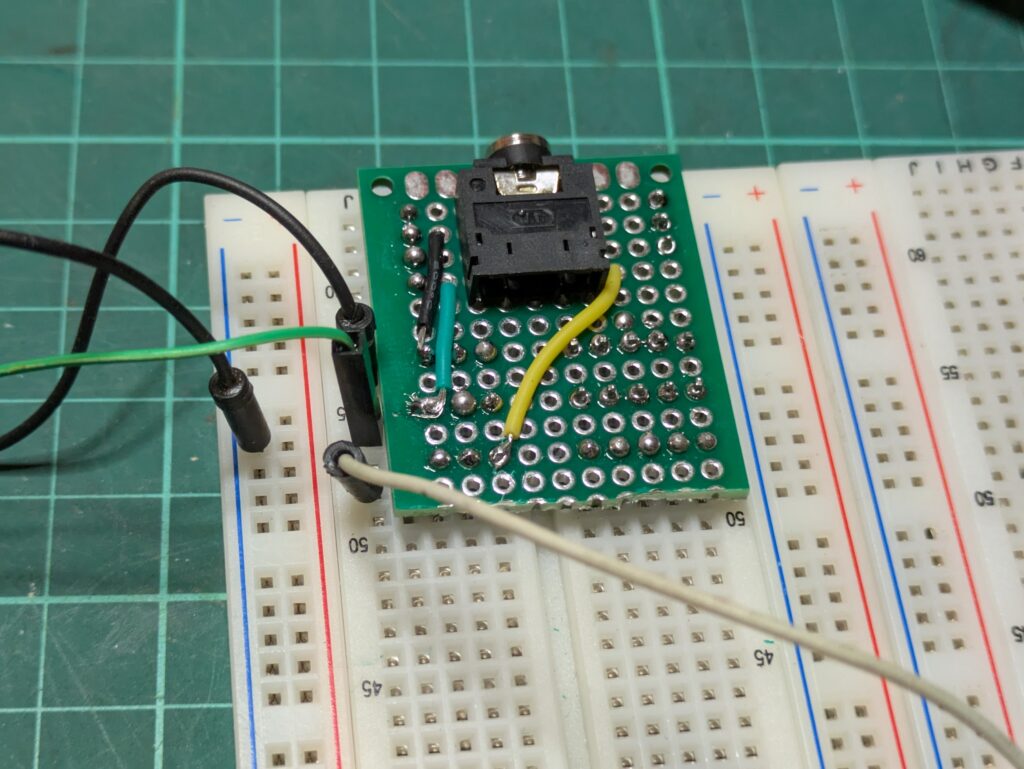
Eventually, I gave in and soldered up a 3.5 mm audio jack breakout to plug into the breadboard cleanly. From there, things started to fall into place. I used a universal PCB with header pins and cut it to a smaller size.
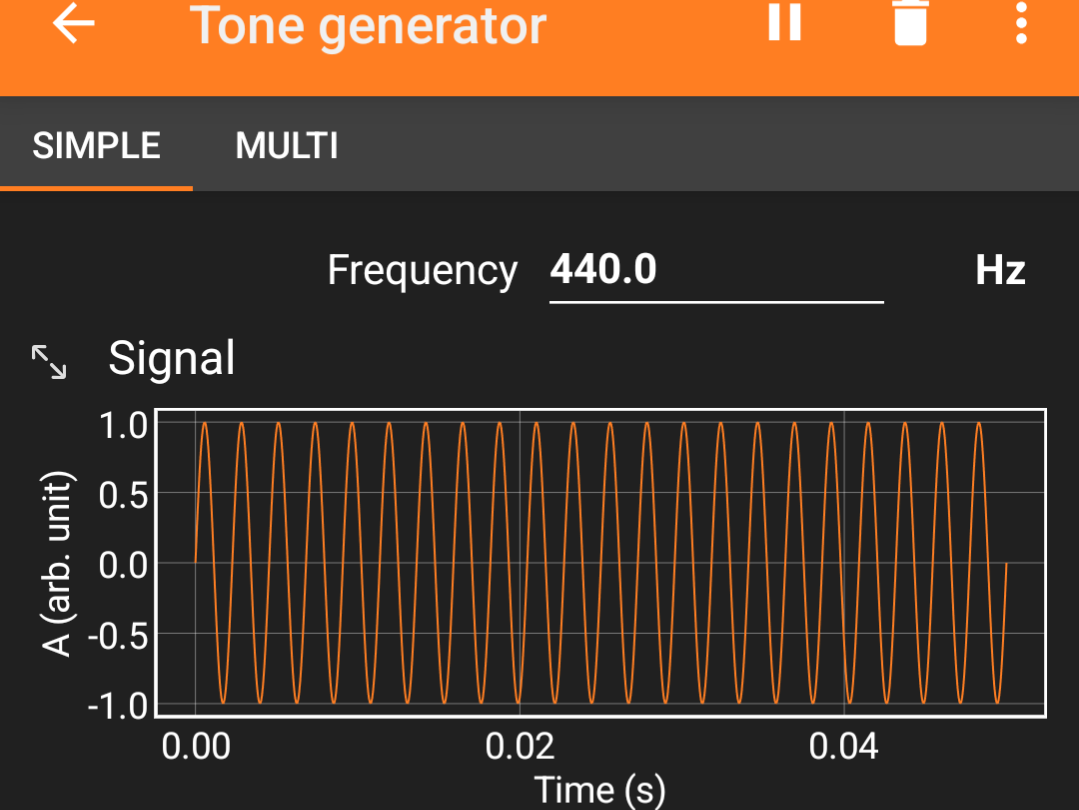
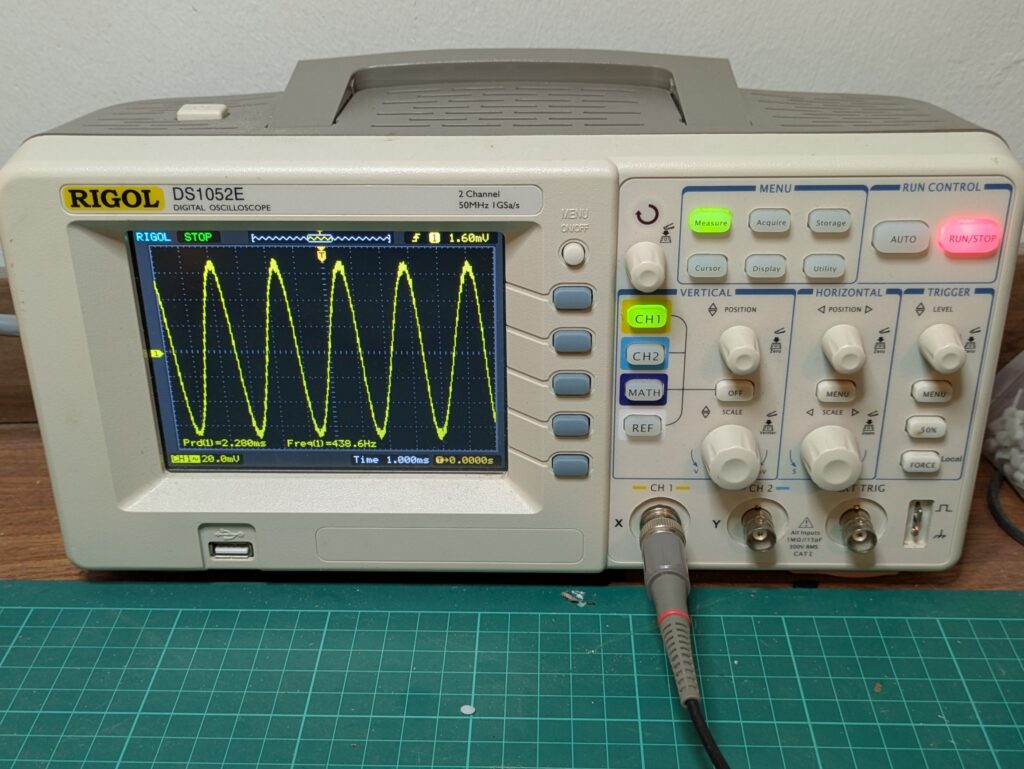
With the jack connected and audio output sorted, it was time for some proper testing. I had an app on my phone I’d always thought might come in handy one day—and it finally did! Phyphox is like a mini lab on your phone. It can generate audio waveforms, which are perfect for our use case here. I used it to generate tones and verified the signal with an oscilloscope.
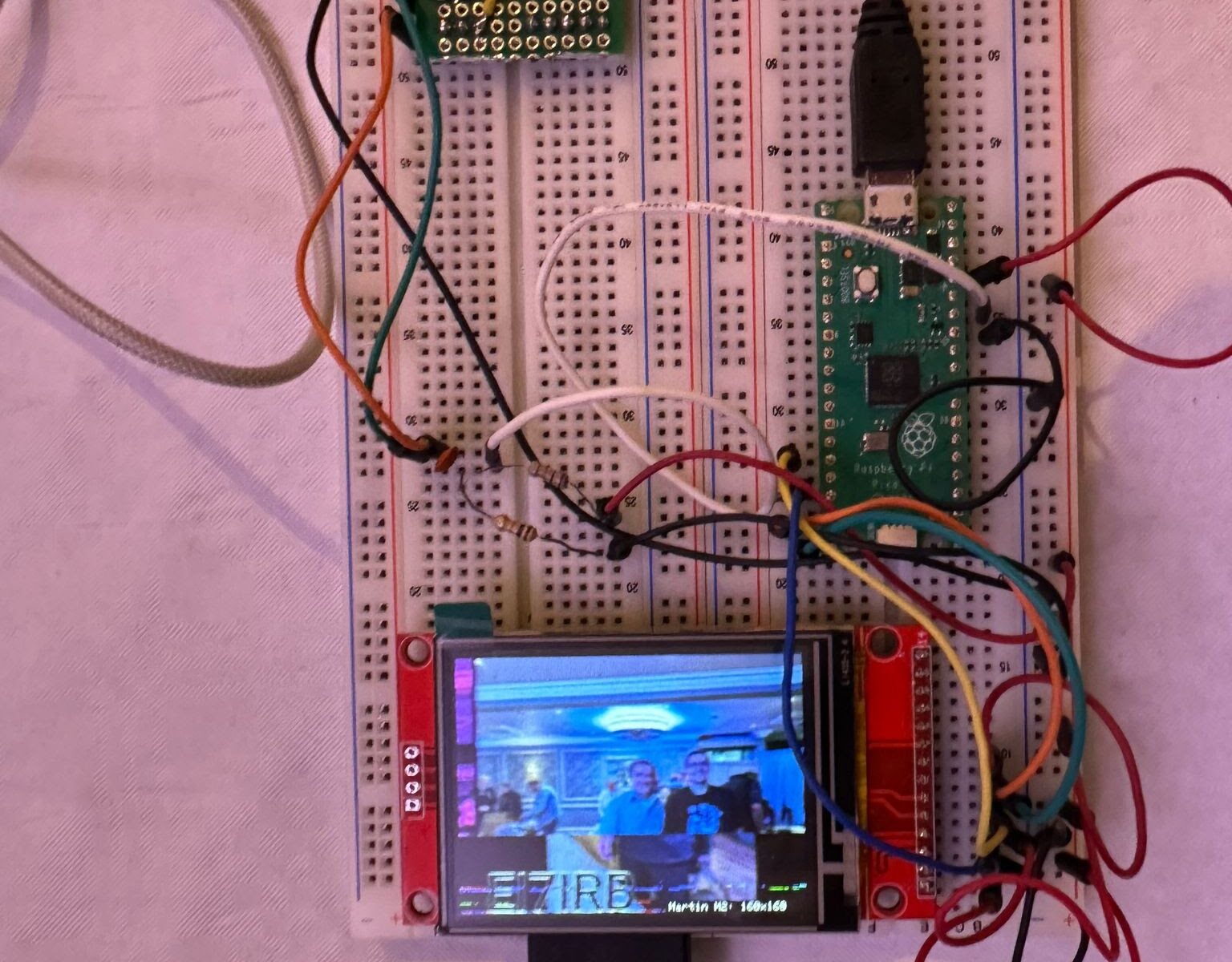
Once the circuit was wired up on the breadboard, the project used the following parts:
Part
Quantity
320×240 ILI9341 display
1
Raspberry Pi Pico
1
10kΩ resistor
2
100nF ceramic capacitor
1
3.5mm Stereo Socket
1
With everything connected, it was time to dive into the code. I followed the fantastic SSTV code by Jon Dawson, written for the Raspberry Pi Pico. The setup was straightforward, and before long, I had the system sending out a test image—a cat from @choiceIrregular, naturally—via SSTV.
If you’ve never heard SSTV audio before, it’s… unique. I captured a short video of the transmission. (Fair warning: it’s not exactly soothing—so maybe turn the volume down. Bonus: you can decode the audio from the video too!)
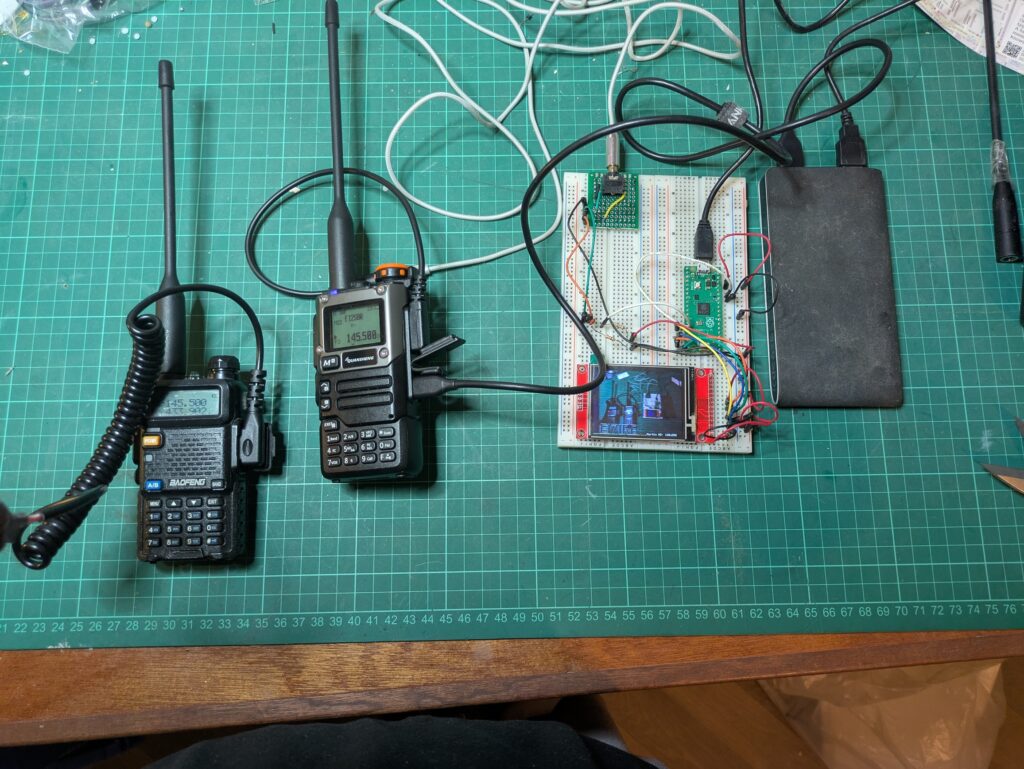
The final step was hooking the system up to a radio for real over-the-air transmission. On the transmission side, I used a USB-C to 3.5 mm adapter connected to my phone (using the SSTV Encoder app), paired with a “Kenwood” 2.5 mm TRS to 3.5 mm TRS connector-to-bare-wires cable. Using a connector block, I had a rough-and-ready USB-to-mic cable.
On the receiver side and another radio, I used another “Kenwood” adapter—this time to a 3.5 mm female socket—and then a simple 3.5 mm audio cable into my device.
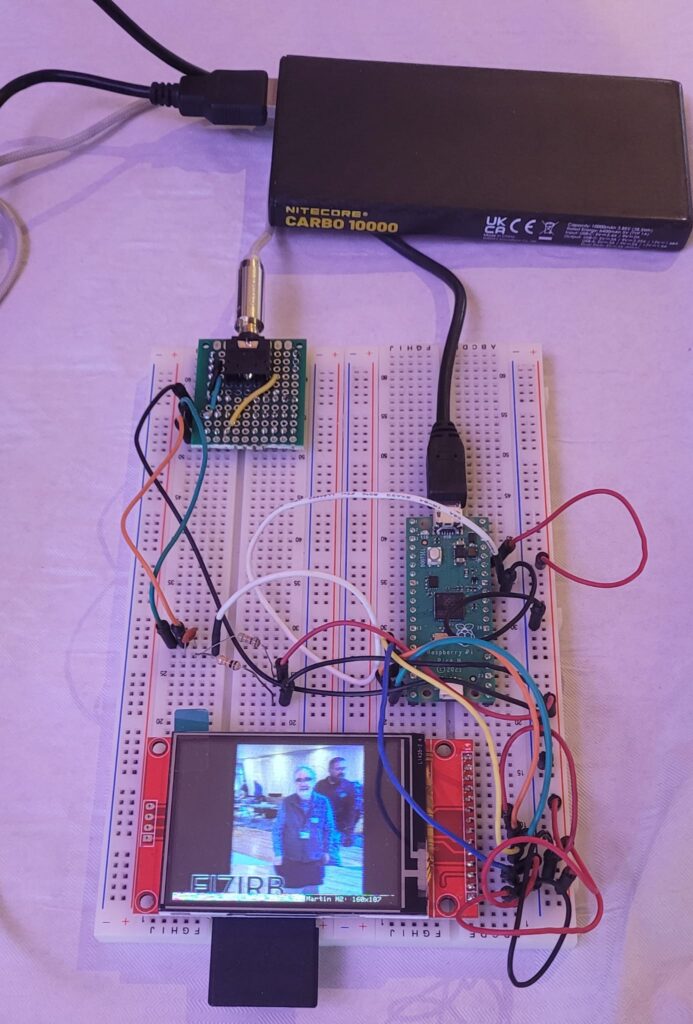
And it worked! 🎉 Bonus: The photo below is a selfie of the project itself.
This little project was a great way to showcase digital image transmission using amateur radio, with a modern twist via the Raspberry Pi Pico. It sparked some fun conversations at the rally and hopefully inspired a few fellow hams to try it out themselves.
There’s also lots of scope for improvements. Here are a few ideas:
Moving it off the breadboard to make it more robust for events
Adding shielding—if I transmit too close, the screen goes white (I suspect interference on the SPI bus)
Saving received images—the screen has an SD card slot
Automating the sending side—currently, I have to hold the PTT button manually